
Views: 0 Author: Site Editor Publish Time: 2025-11-19 Origin: Site


Sliding windows are a popular choice in modern homes, offices, and commercial spaces due to their sleek design, ease of use, and ability to maximize natural light. But beyond aesthetics and functionality, homeowners and property managers often wonder: Are sliding windows easy to maintain? In this article, we’ll explore the maintenance aspects of sliding windows, discuss common challenges, and provide tips to keep them performing optimally for years.
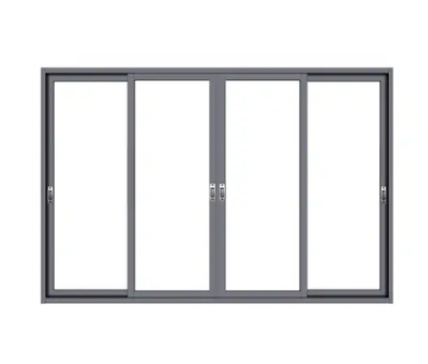
Sliding windows, also called gliding windows, operate by moving horizontally along a track, rather than swinging inward or outward like casement or awning windows. Typically, one or more sashes glide smoothly within a frame, allowing for ventilation control without occupying additional indoor or outdoor space.
Advantages of sliding windows:
Space efficiency: No need for window clearance inside or outside the room.
Improved ventilation: Partial or full opening options.
Ease of use: Smooth gliding mechanism makes opening and closing effortless.
Modern aesthetics: Clean lines and large glass panels enhance natural light.
Durability: Minimal mechanical stress compared to hinged designs.
Understanding these features helps contextualize maintenance needs. Because sliding windows have fewer moving parts than some other designs, they can be easier to maintain—but only if proper care is applied.
Sliding windows may appear low-maintenance at first glance, but in reality, several critical areas require regular attention to ensure optimal performance and longevity. Understanding these areas and adopting a proactive maintenance routine can prevent common issues such as sticking sashes, air leaks, or water infiltration.
The horizontal track is arguably the most crucial component of a sliding window system. Dirt, dust, leaves, and debris can accumulate over time, causing friction and making the window difficult to open or close. Even small particles can interfere with the smooth movement of the sash, leading to wear and eventual damage.
Tips for maintaining tracks and rollers:
Regular Cleaning: Remove visible dust and debris using a soft brush, vacuum cleaner, or compressed air. This should be done at least twice a year, or more often if the window faces a high-traffic area or is exposed to environmental dust.
Lubrication: Apply a silicone-based lubricant along the track and rollers to ensure smooth gliding. Avoid oil-based lubricants as they can attract more dust and become sticky over time.
Inspection: Periodically check the rollers for signs of wear, misalignment, or damage. Some rollers are adjustable, allowing you to realign the sash for smoother operation. Replacing worn rollers promptly prevents uneven movement and excessive stress on the track.
Neglecting track maintenance can result in noisy operation, uneven sliding, or even damage to the window sash over time. In extreme cases, debris accumulation can warp the track, making replacement necessary.
Sliding windows often feature large glass panels that allow abundant natural light but also make cleaning essential for both aesthetics and safety. While glass itself is durable, neglecting regular cleaning and inspection can lead to buildup of grime, mineral deposits, or even scratches.
Glass maintenance tips:
Use Mild Cleaners: Avoid harsh or abrasive chemicals that could scratch or damage coatings. Microfiber cloths or soft sponges work best.
Clean Both Sides: If possible, clean both interior and exterior surfaces. Many modern sliding windows offer tilt-in sashes, allowing safe access to exterior glass.
Inspect Seals: Examine the perimeter seals around the glass for any signs of wear, cracking, or gaps. Damaged seals compromise insulation, allowing drafts and moisture ingress.
Large glass panes can also reveal structural issues, such as warped or weakened frames. Maintaining both the glass and frame ensures easier cleaning and long-term durability.
Sliding window frames come in aluminum, vinyl, wood, or fiberglass, each with its own maintenance requirements. Proper frame care prevents deterioration and supports the smooth operation of the window.
Aluminum: Resistant to corrosion but may need periodic cleaning and occasional touch-up for scratches or chips. Use mild soap and water to avoid surface damage.
Vinyl: Low-maintenance; regular washing with mild soap and water is sufficient. Avoid abrasive tools that could scratch the surface.
Wood: Requires sealing, painting, or staining to protect against moisture, rot, and insect damage. Wood frames should be inspected annually for signs of decay or warping.
Fiberglass: Extremely durable and low-maintenance; occasional cleaning with mild detergent ensures longevity.
Maintaining the frame also protects the integrity of the track, rollers, and seals, contributing to the overall efficiency of the sliding window.
Weather stripping is vital for energy efficiency and preventing water or air leaks. Over time, rubber or foam seals can degrade, crack, or compress, reducing their effectiveness.
Maintenance tips for seals:
Inspect seals at least every six months for signs of wear or damage.
Replace any compressed or cracked strips to maintain insulation and prevent drafts.
Clean seals gently with mild soap and water to remove accumulated dust and grime, avoiding harsh chemicals that can accelerate deterioration.
Well-maintained seals not only improve energy efficiency by reducing heat loss or air infiltration but also protect the window’s structural components from moisture damage.
Even though sliding windows are generally easy to maintain, users may encounter specific issues:
Over time, accumulated dirt, debris, or misaligned rollers can cause the sash to stick. Regular track cleaning and lubrication usually solve this problem. If rollers are damaged, replacing them can restore smooth operation.
Squeaking or grinding sounds often indicate dirt in tracks or worn-out rollers. Lubrication and track cleaning are the first steps, but for persistent noise, inspecting the alignment of the sashes and the condition of the roller bearings is recommended.
Poorly maintained seals or warped frames can lead to water infiltration during heavy rain. Replacing worn seals and inspecting the frame for cracks or deformation ensures proper weatherproofing.
For high-rise buildings or windows with restricted access, cleaning exterior panes can be challenging. Many modern sliding windows are designed with tilt-in or removable sashes, which simplifies exterior cleaning while ensuring safety.
Maintaining sliding windows doesn’t require specialized skills; a proactive approach keeps them functioning smoothly for decades.
Clean tracks, frames, and glass at least twice a year.
Remove accumulated dirt before it hardens.
Use non-abrasive cleaning tools and mild detergents to prevent damage.
Apply silicone spray or graphite lubricant to rollers and tracks annually.
Avoid oil-based lubricants that can attract dust or gum up over time.
Check sashes for smooth operation and proper alignment.
Inspect frames for cracks, warping, or paint damage.
Replace weather stripping if brittle or compressed.
Many sliding windows have built-in drainage channels to expel water.
Regularly check and clear these channels to prevent water accumulation that could cause corrosion or frame damage.
Even with routine care, periodic professional inspection can identify hidden issues, such as subtle frame warping, compromised seals, or roller misalignment, preventing costly repairs later.
When sliding windows are properly maintained, homeowners enjoy multiple advantages:
Smooth Operation: Well-lubricated rollers and clean tracks ensure effortless opening and closing.
Energy Efficiency: Intact seals and proper alignment reduce air leakage and lower heating and cooling costs.
Enhanced Lifespan: Regular care prolongs window life, reducing replacement frequency.
Aesthetics: Clean frames and glass maintain a polished look for the home or office.
Safety: Well-maintained windows prevent accidents due to sticking or broken parts.
Overall, the minimal but consistent maintenance required for sliding windows makes them an attractive choice for modern construction.
Not all sliding windows are created equal. Factors that influence long-term ease of maintenance include:
Material Quality: Aluminum and vinyl are easier to maintain than untreated wood.
Design Features: Tilt-in sashes, removable rollers, and accessible tracks simplify cleaning and lubrication.
Seal Quality: High-performance weather stripping reduces drafts and water ingress.
Brand Reliability: Trusted manufacturers provide better-quality components and support, making maintenance easier.
By selecting high-quality sliding windows with these features, homeowners can enjoy a combination of style, functionality, and low-maintenance convenience.
So, are sliding windows easy to maintain? The answer is yes — provided that you follow a proactive maintenance routine. With regular cleaning, lubrication, seal inspection, and occasional professional servicing, sliding windows can offer smooth operation, energy efficiency, and long-lasting aesthetics for many years. Their design simplicity, combined with minimal moving parts, makes them easier to care for than many other window types.
For those looking to invest in durable, high-quality sliding windows that simplify maintenance without sacrificing style, companies like Foshan SUNGYE Doors and Windows Co., Ltd. offer a range of well-engineered options. Their products are designed with smooth operation, robust seals, and easy-clean features, making long-term upkeep straightforward. Whether you’re upgrading your home or outfitting a commercial space, choosing reliable sliding windows ensures both beauty and functionality while minimizing maintenance efforts.


