
Views: 0 Author: Site Editor Publish Time: 2025-05-16 Origin: Site


Homeowners often contemplate upgrading their windows for various reasons, be it enhancing energy efficiency, improving aesthetics, or increasing property value. A common question arises: can you replace casement windows with regular windows? Understanding the intricacies of window replacement is crucial for making an informed decision. In this context, exploring the versatility of Casement Windows provides valuable insights into the feasibility and implications of such a transformation.
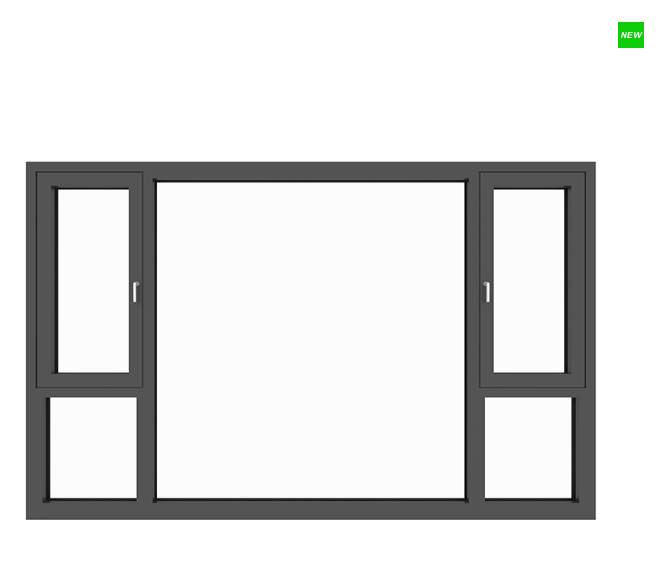
Casement windows are hinged on the side and open outward to the left or right, allowing for full top-to-bottom ventilation. They are known for their airtight seals when closed, which enhances energy efficiency. The design offers unobstructed views and easy operation, making them a popular choice in modern homes. However, some homeowners consider replacing them due to stylistic preferences or functional needs.
The primary benefits of casement windows include superior ventilation and energy efficiency. Their design allows them to catch side breezes and direct outside air into the home. The tight seal formed when closed minimizes air leakage, which can reduce heating and cooling costs. Additionally, casement windows often feature multi-point locking systems, enhancing security.
Despite their advantages, casement windows may not suit everyone's taste or practical requirements. Some common reasons for considering a replacement include:
Desire for a different aesthetic appeal.
Functional issues due to aging hardware.
Preference for windows that don't protrude outward, which can be a concern in tight exterior spaces.
Ventilation needs that differ from what casement windows provide.
When considering replacing casement windows with "regular" windows, it's essential to define what constitutes a regular window. Common alternatives include double-hung, single-hung, sliding, and awning windows. Each type offers unique features and benefits.
Double-hung windows feature two operable sashes that move vertically. They are traditional in style and offer versatile ventilation options. Modern double casement window designs have improved energy efficiency and ease of cleaning with tilt-in sashes.
Sliding windows operate by moving horizontally along a track. They are ideal for rooms where space is limited, and a protruding window is impractical. Their streamlined design complements modern architectural styles.
Awning windows are hinged at the top and open outward. They provide good ventilation while protecting the interior from rain, as the window forms an awning when open. This design is suitable for climates with frequent precipitation.
Replacing casement windows with another type involves several considerations. The feasibility depends on factors such as window size, structural implications, and aesthetic goals. Consulting with professionals ensures that replacements meet building codes and performance expectations.
Casement windows typically fit into specific-sized openings. Switching to a different window style may require resizing the opening, which can affect the structural integrity of the wall. It's crucial to assess load-bearing elements and ensure that modifications don't compromise the building's stability.
The window style significantly influences the home's exterior and interior appearance. Replacing casement windows with double-hung or sliding windows alters the facade's visual rhythm. It's important to consider how the new windows will integrate with existing architectural elements.
Casement windows are known for their energy efficiency due to the tight seal they provide. Replacing them with windows that have lower efficiency ratings can increase energy costs. Selecting high-quality, energy-efficient alternatives is essential to maintain or improve insulation performance.
While there are challenges, replacing casement windows can offer several benefits when done correctly.
Alternative window types may better suit specific functional needs. For instance, sliding windows are easier to operate in tight interior spaces, and double-hung windows provide flexibility in ventilation control.
New window styles can refresh the home's look. Choosing designs that complement architectural themes can enhance curb appeal and potentially increase property value.
Modern windows often feature materials and finishes that reduce maintenance requirements. Upgrading can alleviate issues associated with older casement windows, such as sticking due to warped frames or hardware deterioration.
Undertaking window replacement involves careful planning and execution. Engaging with professionals is crucial to navigate the technical aspects.
A professional assessment determines the feasibility of replacing casement windows with different styles. Experts inspect the existing window openings, structural components, and offer recommendations based on the home's specific conditions.
Choosing the appropriate replacement casement windows or alternative styles involves considering factors such as material, glazing options, and energy ratings. High-quality materials like aluminum or vinyl offer durability and low maintenance.
Proper installation is vital for the performance and longevity of the new windows. Professionals ensure that the windows are installed according to manufacturer specifications and local building codes, addressing issues like insulation, sealing, and alignment.
Replacing windows is a significant investment. Costs vary based on window type, materials, labor, and any necessary structural modifications.
Different window materials have varying price points. For example, wood windows offer a classic look but require more maintenance and are typically more expensive than vinyl or aluminum options.
Labor costs can increase if window openings need resizing or if there are complications during installation. Obtaining detailed quotes from multiple contractors helps in budgeting accurately.
Investing in energy-efficient windows can lead to long-term savings on utility bills. Additionally, high-quality windows can reduce maintenance costs and enhance the property's resale value.
Window replacement may be subject to local building codes and regulations. Ensuring compliance is essential to avoid legal issues and ensure safety standards are met.
Building codes dictate requirements for aspects like egress windows in bedrooms, safety glass in certain locations, and energy efficiency standards. Understanding these regulations is crucial when altering window types.
Obtaining the necessary permits before commencing work is often required. Contractors typically manage this process, but homeowners should verify that all permits are secured to prevent future complications.
Environmental impact is an increasingly important factor in home renovations. Selecting sustainable materials and energy-efficient designs contributes to environmental conservation efforts.
Energy-efficient windows reduce greenhouse gas emissions by lowering energy consumption. Features such as Low-E coatings, multiple panes, and gas fills enhance insulation properties.
Choosing windows made from recyclable materials like aluminum supports environmental sustainability. Additionally, responsible manufacturing processes minimize ecological footprints.
Examining real-life examples provides practical insights into the window replacement process.
Homeowners who replaced casement windows with double-hung models reported increased satisfaction due to improved functionality and aesthetic appeal. Energy bills remained stable when energy-efficient options were selected.
Industry professionals advise that thorough planning and consultation are key to a successful replacement. They stress the importance of considering long-term implications over short-term gains.
Replacing casement windows with regular windows is a viable option, provided that careful consideration is given to structural, aesthetic, and functional factors. Engaging with experienced professionals and selecting high-quality, energy-efficient products ensures that the benefits outweigh the challenges. Whether aiming for a new look, enhanced functionality, or improved efficiency, understanding the process is essential for a successful window replacement project.
For those considering this home improvement, exploring options like replacement casement windows may offer the desired balance between maintaining certain advantages while achieving new goals.


