
Views: 0 Author: Site Editor Publish Time: 2025-05-12 Origin: Site


The decision to replace windows in a home is a significant one, impacting both the aesthetic appeal and energy efficiency of the dwelling. A common question that arises in this context is whether it is feasible to replace a casement window without replacing the existing frame. This inquiry is particularly relevant for homeowners aiming to upgrade their windows while managing costs and preserving architectural integrity. Understanding the intricacies of this process involves examining the structural components of casement windows, assessing the condition of existing frames, and evaluating the potential benefits and drawbacks of such an approach. This article delves into these aspects, providing a comprehensive analysis based on industry knowledge, practical examples, and expert opinions to guide homeowners in making informed decisions.
Casement windows are hinged on one side and open outward, typically operated by a crank mechanism. They are favored for their ability to provide unobstructed views and excellent ventilation, as they can catch side breezes and direct them into the building. The primary components of a casement window include the frame, sash, glazing, hardware, and weatherstripping. The frame provides the structural support, the sash holds the glass panes, and the hardware facilitates operation. The weatherstripping ensures a seal against air and water infiltration, contributing to the window's energy efficiency.
The window frame is integral to the overall performance of the window system. It must be structurally sound to support the sash and glazing, resist environmental stresses, and maintain a tight seal. Over time, frames made of wood or other materials may deteriorate due to moisture, pests, or temperature fluctuations. This deterioration can compromise the window's functionality, energy efficiency, and security. Therefore, assessing the condition of the existing frame is crucial before deciding to replace only the window.
Replacing a casement window without replacing the frame, often referred to as a pocket replacement or insert window installation, is feasible under certain conditions. This method involves placing a new window unit into the existing frame. To determine if this approach is suitable, several factors must be considered, including the condition of the frame, the compatibility of the new window with the existing frame, and the desired outcomes regarding performance and aesthetics.
A thorough inspection of the existing frame is necessary to ensure it is free from rot, warping, or structural damage. Frames in good condition, without signs of water damage or decay, can support a new window sash effectively. However, if the frame exhibits significant wear or damage, it may compromise the integrity of the new window, leading to issues such as air leaks, water infiltration, or operational difficulties.
Accurate measurements are critical when replacing a window without replacing the frame. The new window must fit precisely within the existing frame to ensure proper operation and energy efficiency. This process may involve custom manufacturing, especially if the original frame has non-standard dimensions or if the building is older with unique architectural features.
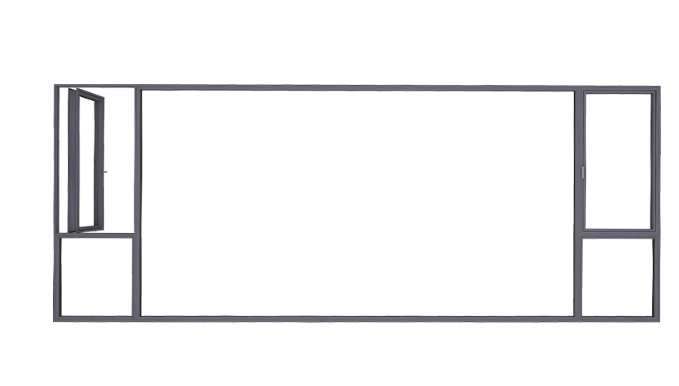
Opting to replace the casement window while retaining the frame offers several advantages, primarily in terms of cost, time, and preservation of original aesthetics.
By not replacing the frame, homeowners can reduce material and labor costs significantly. Frame replacement often involves additional expenses related to exterior siding or interior trim work. According to industry data, retaining the frame can save up to 30% compared to a full window replacement, making it an attractive option for budget-conscious projects.
The installation process is quicker when the frame is left intact since it eliminates steps such as frame removal, disposal, and reconstruction. This efficiency can be particularly beneficial when working under tight project timelines or when aiming to minimize disruption to occupants.
In historic homes or buildings with unique architectural elements, maintaining the original frames helps preserve the property's character. Replacement casement windows can be custom-designed to match the existing style while providing modern functionality and energy efficiency.
Despite the advantages, there are potential downsides to replacing windows without replacing frames. These challenges must be carefully weighed to ensure the long-term success of the window replacement project.
Older frames may lack the thermal properties of modern materials, potentially undermining the energy efficiency gained from new window sashes. Gaps, cracks, or inadequacies in insulation can lead to air leakage, resulting in higher heating and cooling costs. It is essential to assess whether the existing frame meets current energy standards or if its deficiencies could negate the benefits of the new window.
Manufacturers' warranties for new windows may be limited or voided if installed in old frames. This limitation occurs because the performance of the window can be affected by the condition of the frame, over which the manufacturer has no control. Homeowners should review warranty details and consider the implications for future repairs or replacements.
Ensuring a proper fit between the new window and the existing frame can be challenging, especially in older buildings where frames may have shifted or settled over time. Professional installers must take meticulous measurements and may need to make adjustments to the frame, increasing the complexity and potentially the cost of the project.
undertaking a window sash replacement while retaining the frame involves several key steps to ensure success. These steps address the structural integrity, fit, and finish of the installation.
The first step is a thorough inspection of the existing frame for any signs of damage or deterioration. This examination includes checking for rot, mold, or insect infestation in wooden frames, and assessing metal or vinyl frames for warping or corrosion. Any issues must be remedied before installation proceeds.
Accurate measurements are critical. Installers measure the frame's height, width, and depth to ensure the new window will fit properly. Customized replacement casement windows are then ordered based on these specifications, which may include considerations for glazing options, hardware finishes, and energy efficiency features.
The old sash and hardware are carefully removed, preserving the frame and surrounding materials. The new window unit is fitted into the frame, ensuring it is square and level. Installers secure the window according to manufacturer specifications, often using shims and sealants to create a tight fit and prevent air and water infiltration. Finally, interior and exterior trim may be replaced or updated to complete the installation aesthetically.
Examining real-world examples provides insight into the practical application of replacing casement windows without replacing frames.
In a suburban home built in the 1980s, the homeowners sought to improve energy efficiency without altering the exterior appearance significantly. The existing wooden frames were in good condition. By opting for insert installations of new double casement window units, they achieved a 25% reduction in energy bills, as reported in their utility statements over the following year. The project was completed in less time and at a lower cost compared to a full frame replacement.
A historic building undergoing renovation aimed to maintain its original wooden frames to preserve architectural authenticity. Craftsmen repaired minor damages to the frames and installed custom-made casement sashes that matched the original design. The result respected the building's heritage while enhancing functionality and efficiency.
Industry experts emphasize the importance of individual assessment for each window replacement project. According to John Smith, a certified window installer with over 20 years of experience, "The decision to replace just the window sash should be based on a careful evaluation of the existing frame's condition. When the frame is sound, insert replacements are a viable option that can save time and money."
Energy consultant Jane Doe highlights the potential pitfalls: "Homeowners must be cautious. If the existing frames are not thermally efficient or are prone to air leaks, the benefits of new, energy-efficient windows may not be fully realized."
Replacing a casement window without replacing the frame is a feasible option that offers cost and time savings, provided the existing frame is in good condition. This approach can preserve the architectural integrity of a building and reduce disruption during installation. However, it is imperative to carefully assess the frame's condition and consider potential limitations in energy efficiency and warranty coverage. Consulting with professional window installers and energy efficiency experts can help homeowners make informed decisions. By weighing the advantages and disadvantages, one can determine the most suitable course of action for their specific circumstances, ensuring that the investment enhances the home's value, comfort, and performance.
For those considering this option, exploring the range of available products is essential. High-quality replacement casement windows offer various features that can be tailored to meet specific needs, from energy-efficient glazing to custom finishes that complement existing interiors and exteriors.


