
Views: 0 Author: Site Editor Publish Time: 2025-05-14 Origin: Site


Casement windows have long been a popular choice for homeowners seeking a blend of functionality, aesthetics, and energy efficiency. As outward-opening windows hinged on the side, they offer unobstructed views and superior ventilation compared to other window types. However, a common question arises among homeowners and builders alike: Do casement windows need screens? This article delves into the intricacies of casement window design, the role of screens, and the considerations one must take into account when deciding whether to install screens on these windows.
Casement windows are renowned for their ease of operation and excellent ventilation capabilities. They are designed to swing outward, allowing maximum airflow into the home. This feature is particularly beneficial in areas where natural ventilation can reduce reliance on air conditioning systems, thereby promoting energy efficiency.
The design of casement windows also contributes to their energy-saving properties. When closed, the sash presses firmly against the frame, creating an airtight seal that minimizes drafts. This seal enhances the window’s insulation performance, making casement windows an attractive option for energy-conscious homeowners.
Window screens serve multiple purposes. Primarily, they act as a barrier against insects and debris, enabling windows to be open without the intrusion of pests or the accumulation of unwanted particles inside the home. Screens can also provide an additional layer of security and contribute to the overall aesthetic of the window unit.
In climates where insects are prevalent, screens are essential for maintaining indoor comfort. They allow homeowners to enjoy fresh air without the nuisance of bugs entering the living space. Moreover, screens can filter out leaves, dust, and other airborne debris, keeping the interior cleaner and reducing maintenance efforts.
Whether casement windows need screens largely depends on individual preferences and environmental factors. Insect activity, regional climate, and personal comfort levels play significant roles in this decision. If you reside in an area with high insect populations, installing screens on your casement windows is advisable to prevent bugs from entering your home.
From a functional standpoint, screens do not impact the operation of casement windows. Modern casement window designs facilitate the easy integration of screens. Typically, the screens are installed on the interior side of the window frame, which does not interfere with the outward opening mechanism of the sash.
1. Pest Prevention: Screens effectively block insects, spiders, and other pests, enhancing indoor comfort.
2. Debris Reduction: Screens prevent leaves, twigs, and airborne debris from entering the home, reducing cleaning efforts.
3. Safety Enhancement: Screens can provide a minor deterrent against small children or pets pushing through open windows.
4. UV Protection: Certain screen materials can reduce UV rays entering the home, protecting furniture and flooring from sun damage.
While screens offer numerous benefits, there are some considerations to keep in mind:
1. Aesthetic Impact: Screens can slightly obscure the view through the window, which might be undesirable for homeowners prioritizing an unobstructed vista.
2. Maintenance Requirements: Screens require periodic cleaning and can accumulate dust and grime over time.
3. Additional Cost: Installing screens adds to the overall cost of the window system.
There are various screen options available for casement windows, each offering different benefits:
Fixed screens are permanently installed and provide constant protection against insects and debris. They are a traditional choice and are relatively cost-effective. However, their permanent nature means they cannot be easily removed for cleaning or to enjoy an unobstructed view.
Retractable screens offer flexibility by rolling up into a discreet housing when not in use. This design preserves the aesthetic of the window and the view when screens are not needed. They are more expensive than fixed screens but provide a balance between functionality and aesthetics.
These screens can be opened or removed entirely, allowing for easy cleaning and maintenance. They are convenient for accessing the window exterior without the need to uninstall the screen permanently.
The choice of screen material impacts durability, visibility, and cost. Common materials include:
Fiberglass screens are the most popular due to their affordability and resistance to rust and corrosion. They are flexible and easy to install but can tear more easily compared to other materials.
Aluminum screens are more durable than fiberglass and offer better visibility. They are resistant to rust but can dent or crease if impacted.
Stainless steel screens are highly durable and offer superior strength, making them suitable for security purposes. They are more expensive but provide long-term value.
Installing screens can contribute to the energy efficiency of casement windows. Screens can reduce solar heat gain by filtering sunlight, which helps keep indoor spaces cooler during hot seasons. This reduction in heat gain can lower cooling costs and enhance indoor comfort.
In conjunction with energy-efficient window designs, screens act as an additional layer that improves overall thermal performance. For homeowners seeking to maximize energy savings, considering the type of screen and its material can influence the effectiveness of their windows.
Proper maintenance extends the lifespan of window screens and ensures they function effectively. Regular cleaning removes dust, pollen, and debris that can accumulate over time.
1. Gentle Washing: Use mild soap and water with a soft brush to clean screens without causing damage.
2. Regular Inspection: Check for tears or holes that may require repair or replacement to maintain efficacy.
3. Seasonal Removal: If using removable screens, consider storing them during off-peak seasons to prevent weather-related wear.
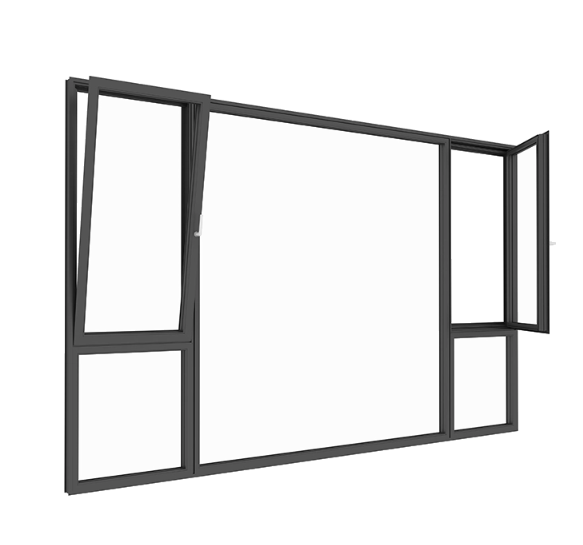
For some homeowners, the visual impact of screens on replacement casement windows is a significant consideration. Modern screen designs aim to minimize obstruction and blend seamlessly with window frames. Options like ultra-fine mesh screens and frameless designs reduce visual barriers and maintain the architectural integrity of the home.
Color choices for screen frames can also complement the window frame, enhancing curb appeal. Customizable options allow homeowners to select screens that align with their aesthetic preferences while providing the necessary functionality.
The decision to include screens impacts the overall cost of window installation. Factors influencing cost include screen type, material, and customization options. While fixed fiberglass screens are the most economical, retractable or specialty screens represent a higher investment.
Homeowners should weigh the benefits against the costs. Investing in durable, high-quality screens can offer long-term savings by reducing maintenance and replacement expenses. Additionally, screens that enhance energy efficiency can contribute to lower utility bills over time.
For those hesitant about installing traditional screens, alternative solutions exist:
Chemical repellents or natural deterrents can reduce insect intrusion. However, they may not be as effective or consistent as physical barriers like screens.
Window films can offer UV protection and reduce glare without obstructing views but do not prevent insects from entering when windows are open.
Ultimately, the choice to install screens on casement windows depends on balancing practical needs with aesthetic preferences. Homeowners should consider:
- Local Climate: Areas with high insect activity or frequent debris may benefit more from screens.
- Personal Comfort: Desire for unobstructed views versus the need for ventilation without pests.
- Energy Efficiency Goals: Screens that contribute to lower energy consumption.
- Budget Considerations: Balancing initial costs with long-term benefits.
Casement windows are a versatile and efficient choice for modern homes. While they do not inherently require screens to function, adding screens can enhance comfort, protect against pests, and contribute to energy efficiency. By understanding the options available and considering individual needs and environmental factors, homeowners can make informed decisions that enhance their living spaces. Whether opting for traditional screens or modern alternatives, the goal remains the same: to enjoy the benefits of double casement windows while maintaining a comfortable and aesthetically pleasing home environment.


