
Views: 0 Author: Site Editor Publish Time: 2025-05-19 Origin: Site


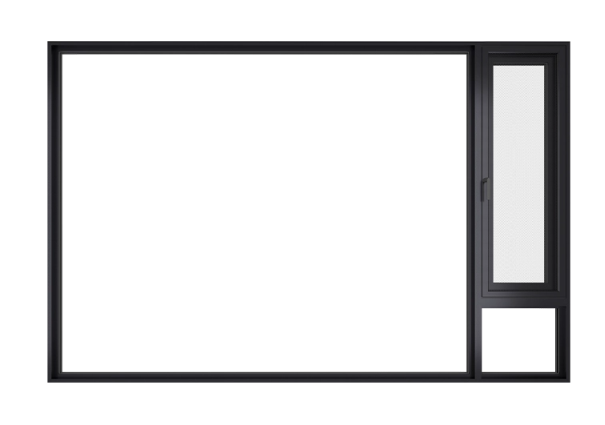
Casement windows have long been a popular choice for homeowners due to their functionality, aesthetic appeal, and energy efficiency. Understanding the lifespan of these windows is crucial for both homeowners and industry professionals. This article delves into the factors that influence the durability of casement windows, maintenance practices to extend their life, and signs that indicate when it's time for a replacement. By exploring these aspects, we aim to provide a comprehensive guide on how long casement windows last and how to maximize their longevity. For those interested in the latest designs and materials, our collection of Casement Windows offers a variety of options to suit different needs.
The materials used in constructing casement windows play a significant role in their durability. Common materials include wood, vinyl, aluminum, and fiberglass. Wooden casement windows offer a classic look but may be susceptible to rot and insect damage if not properly maintained. Vinyl windows are resistant to moisture and require less maintenance but may warp under extreme temperatures. Aluminum windows are sturdy and lightweight but can conduct heat, affecting energy efficiency. Fiberglass casement windows combine strength and energy efficiency but come at a higher cost. According to a study by the National Association of Home Builders, fiberglass and aluminum windows have an average lifespan of 20 to 40 years, while vinyl windows last between 20 to 30 years, and wooden windows last about 15 to 20 years.
The environment where the windows are installed significantly impacts their longevity. Harsh weather conditions, such as extreme temperatures, heavy rainfall, high humidity, and exposure to salty air in coastal areas, can deteriorate window materials faster. UV radiation can cause materials like vinyl and paint on wooden frames to fade or crack over time. In regions prone to severe weather, windows are subjected to additional stress from wind and debris, necessitating more robust materials and designs.
Proper installation is critical to the performance and lifespan of casement windows. Poor installation can lead to gaps, misalignment, and operational issues that not only reduce energy efficiency but also accelerate wear and tear. A study in the Journal of Architectural Engineering highlights that incorrect installation is a leading cause of window failures within the first few years. Ensuring that windows are installed by certified professionals can mitigate these risks and enhance longevity.
The frequency and manner in which windows are used affect their durability. Windows that are frequently opened and closed are more prone to mechanical wear. Regular maintenance, such as cleaning, lubricating hinges, and inspecting seals, can prevent minor issues from developing into significant problems. The Window and Door Manufacturers Association recommends annual maintenance checks to ensure optimal performance.
Routine cleaning prevents the buildup of dirt and debris, which can interfere with the window's operation and promote deterioration. Inspections help in identifying issues like seal failures, cracks, or hardware corrosion early on. Addressing these problems promptly can save on costly repairs or replacements in the future.
Lubricating hinges, locks, and other moving components reduces friction and wear. Using appropriate lubricants as recommended by manufacturers ensures smooth operation and prolongs the life of the hardware. Overlooking this maintenance step can lead to stiff operation and eventual failure of mechanical parts.
Applying protective coatings, especially on wooden frames, guards against moisture, UV radiation, and pests. For metal frames, treatments that prevent corrosion can significantly extend their life. Innovations in protective treatments have led to products that offer longer-lasting protection with less environmental impact.
Replacing worn-out seals, weatherstripping, and hardware with higher-quality or more advanced options can improve energy efficiency and operational ease. Upgrades not only extend the window's life but also enhance performance. For instance, upgrading to double-glazed glass improves insulation, reducing energy costs.
Feeling drafts near windows indicates that seals may have deteriorated, allowing air infiltration. This issue leads to higher energy bills as heating or cooling systems work harder to maintain indoor temperatures. The Department of Energy notes that inefficient windows can increase energy bills by 10% to 25%.
Windows that are hard to open or close, or do not stay open, may have warped frames or damaged hardware. These operational issues can pose safety risks and reduce the functionality of the windows. Regular maintenance can prevent these problems, but persistent issues often indicate the need for replacement.
Signs of rot, mold, or deterioration on the window frame or sash compromise structural integrity and can lead to further property damage. Inspecting for soft spots in wooden frames or corrosion in metal frames helps determine the extent of damage. In cases of severe deterioration, replacing with replacement casement windows may be the most effective solution.
Condensation or fogging between double-glazed panes indicates seal failure. This not only reduces visibility but also diminishes insulating properties. According to industry experts, seal failure is a common issue in windows over 15 years old and often necessitates window replacement.
Modern casement windows feature advanced glazing options, including low-emissivity (Low-E) coatings, double or triple glazing, and gas fills like argon or krypton between panes. These technologies enhance insulation, reduce UV penetration, and improve overall energy efficiency. The Efficient Windows Collaborative reports that such windows can reduce energy bills by up to 15% compared to standard windows.
The development of composite materials and improved vinyl formulations has led to frames that are more durable, require less maintenance, and offer better insulation. These materials resist warping, corrosion, and decay better than traditional options. Fiberglass frames, for example, are gaining popularity due to their strength and thermal stability.
Integration of smart technology allows for automated window operation, enhanced security features, and connectivity with home automation systems. Sensors can detect environmental conditions and adjust window positions for optimal comfort and energy savings. While still emerging, smart windows represent a significant step forward in window technology.
Investing in new, energy-efficient casement windows can lead to substantial savings on heating and cooling costs. Energy Star-rated windows, for instance, are designed to meet strict efficiency criteria. According to Energy Star, replacing single-pane windows with certified products can save an average of $126 to $465 a year.
Upgrading windows can enhance the aesthetic appeal and value of a property. The National Association of Realtors states that homeowners can recoup approximately 73% of the project cost upon resale when replacing windows. Modern designs like the double casement window offer both functionality and style, appealing to potential buyers.
New windows often require less maintenance due to improved materials and manufacturing processes. This reduction in upkeep translates to cost savings over time. Advanced finishes and composites resist wear better, extending the intervals between necessary maintenance activities.
By improving the insulation properties of a building, energy-efficient windows reduce the demand on heating and cooling systems, leading to lower greenhouse gas emissions. This conservation supports global efforts to combat climate change. The Environmental Protection Agency highlights that energy-efficient windows contribute significantly to a home's overall energy performance.
Choosing windows made from recyclable or sustainably sourced materials reduces environmental impact. Aluminum and glass are highly recyclable, and the use of certified wood supports responsible forestry practices. Manufacturers are increasingly adopting eco-friendly production methods to meet consumer demand for sustainable products.
Evaluating the environmental impact of windows over their entire lifecycle—from raw material extraction to disposal—helps in making more sustainable choices. Products with longer lifespans and lower maintenance needs often have a reduced overall environmental footprint. Lifecycle assessments guide manufacturers and consumers toward greener options.
The lifespan of casement windows is influenced by various factors, including material quality, environmental conditions, installation practices, and maintenance routines. While casement windows can last anywhere from 15 to 40 years, proactive care and timely upgrades can extend their usefulness and enhance performance. Innovations in window technology offer opportunities for improved energy efficiency, functionality, and aesthetics. Homeowners should assess the condition of their windows regularly and consider replacements when necessary to maintain comfort, safety, and property value. For a wide selection of modern and durable options, explore our range of replacement casement windows that combine quality craftsmanship with cutting-edge technology.


