
Views: 0 Author: Site Editor Publish Time: 2025-11-09 Origin: Site


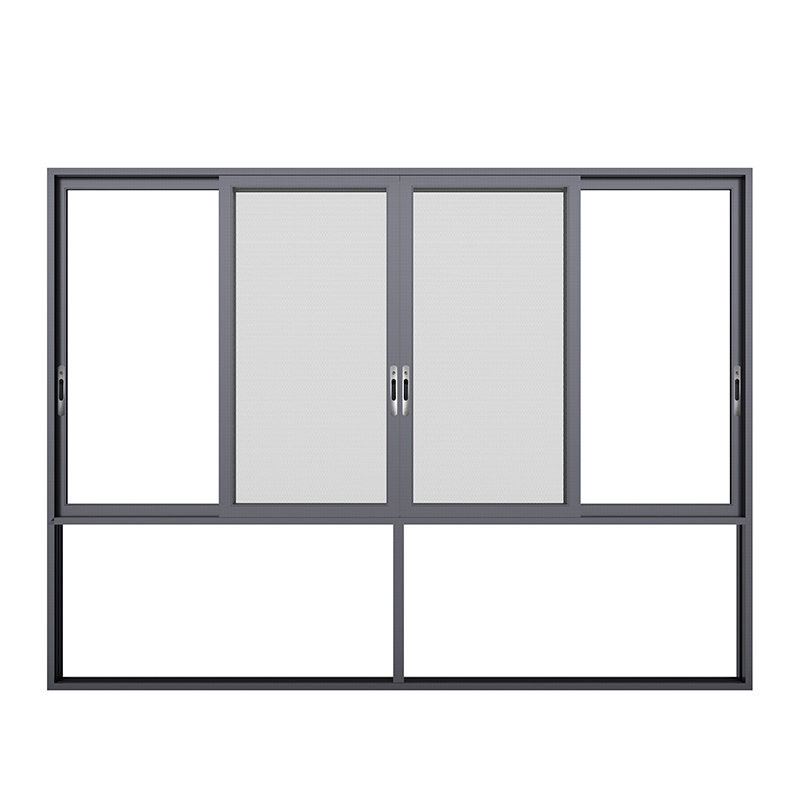
Ever noticed your sliding window doesn’t glide as smoothly as it used to? Dust and debris might be the reason. Regular cleaning not only restores shine but also prevents jams and damage. It keeps light streaming in and your window moving effortlessly. In this comprehensive guide, SUNGYE windows Install Pros will walk you through the process of removing, cleaning, and reinstalling your sliding window tracks so your windows stay in top condition.
Yes — slider windows are easy to clean, but only if you use the right method. Unlike casement or awning windows, sliders move horizontally along tracks, which tend to collect dust, grit, and small debris over time. When those tracks clog up, the window doesn’t glide smoothly. It might even stick. That’s why keeping the rails and frames clean is just as important as wiping the glass.
If your window sash can be removed, great — that makes the job much simpler. You can take it out, lay it flat, and clean both sides easily. If it can’t, no problem. A thin brush, narrow vacuum nozzle, or microfiber wand will help you reach tight corners.
Here’s a quick reminder for routine care:
| Cleaning Frequency | Recommended Action |
|---|---|
| Every 6 months | Full track, frame, and glass cleaning |
| Monthly | Light dusting and wiping visible areas |
| After storms or pollen season | Extra cleaning to prevent buildup |
Regular maintenance keeps your slider window clear, functional, and smooth to operate.
Before you start cleaning, it helps to know what you’re working with. A sliding window has several key parts, and each collects dirt in its own way. Understanding these areas makes cleaning faster and more effective.
Window Tracks: These are the dirtiest zones. Dust, sand, and small insects love to settle here. If left uncleaned, they block smooth sliding and cause scratches.
Sashes: The glass panels that move back and forth often gather smudges and water spots. Wipe both the glass and the sash frame regularly.
Frame: Outer frames catch airborne dust and pollen. Over time, this buildup can weaken the seal between frame and wall.
Glass Pane: Since it’s exposed, dirt, fingerprints, and rain stains are easy to spot. Clear glass instantly makes the whole room brighter.
Seals / Weatherstrips: These rubber or foam edges prevent drafts. When they collect grime, sealing performance drops.
Locks & Handles: Constantly touched areas accumulate oils and fingerprints, so give them a quick wipe each time.
Pro Tip: Always clean from top to bottom and inside to outside. It keeps dirt from dripping or falling onto freshly cleaned areas.
Before diving in, make sure you have the right tools ready. Using proper cleaning materials makes the job easier, faster, and safer. You don’t need expensive products — just a few everyday items can give professional results.
| Category | Recommended Items | Purpose |
|---|---|---|
| Basic Tools | Soft brush, old toothbrush, microfiber cloth | Sweep away dust and scrub corners gently |
| Cleaning Solutions | Mild soap water or vinegar–water mix (1:1) | Safe, streak-free cleaner for glass and frames |
| For Deep Cleaning | Small vacuum, narrow track brush, cotton swabs | Reach tight gaps and remove grime from tracks |
| Optional Add-ons | Silicone lubricant, rubber seal cleaner | Keep windows sliding smoothly and seals flexible |
| Safety Tools | Gloves, step stool, protective eyewear | Protect hands and eyes during high or outdoor cleaning |
Once everything’s ready, place all tools within reach. It keeps the process smooth — no interruptions, no drips, just clear windows and easy motion.
Cleaning a sliding window is easier when you follow a clear routine. We’ll go slowly through each step so you don’t miss any hidden dirt.
First, unlock the latch and slide the window all the way open. This exposes more of the frame, the tracks, and part of the glass. If it’s been a while since you cleaned it, move the sash slowly. Sometimes grit in the tracks can make the window feel stiff or stuck. Check both the top and bottom tracks as you slide. You’ll often see loose dust, sand, or even small insects sitting there. Make sure the surrounding floor or sill area is clear. You don’t want to trip over anything while you are cleaning.
Many sliding windows allow you to remove the moving sash for deep cleaning. Lift the sash straight up into the upper track, then tilt the bottom outward. Once the bottom edge clears the track, gently lower and pull it toward you. Use both hands so it doesn’t twist or bump into the frame. Place the sash on a stable, flat surface covered by a towel or soft cloth. This protects both the glass and the frame from scratches while you work. If your window design doesn’t allow removal, don’t worry. You’ll just clean the glass and frame in place using a step stool or long-handled tools.
The tracks are where most of the dirt hides. Start by using a small brush, old toothbrush, or narrow track brush to loosen debris. Brush along the entire length of the track, including corners and screw holes. You can then use a vacuum cleaner with a thin nozzle to suck everything up. After removing loose dirt, spray a light layer of cleaning solution into the tracks. A mix of warm water and mild dish soap, or vinegar and water, works very well. Let the solution sit for a minute or two to soften stuck grime. Then wipe the tracks carefully using a damp microfiber cloth or sponge. For really stubborn buildup, wrap a cloth around a butter knife or cotton swab. This makes it easier to reach tight corners and narrow gaps. When you’re done, the tracks should look clear and smooth. Run your finger along them to check for any remaining grit.
Now focus on the glass for that clear, streak-free view. Spray your vinegar–water mix or mild soap solution evenly over the surface. Work one side at a time so the cleaner doesn’t dry too quickly. Use a microfiber cloth to wipe in gentle circular motions, loosening spots and fingerprints. Pay extra attention to edges where dirt often collects near the frame. If there are sticky marks, let the cleaner sit longer before wiping again. For a very polished look, you can use a squeegee. Start at the top and pull straight down, wiping the blade after each stroke. Finish by using a dry, lint-free cloth to buff the glass. Look from different angles to check for streaks or hazy patches. Repeat the same process on the other side of the sash. Clean glass on both sides makes the whole window feel brighter and newer.
The frame and seals matter just as much as the glass. Dirt here can damage finishes and weaken weather protection over time. Dip a soft cloth or sponge into warm, soapy water. Gently wipe the inside and outside of the frame, including corners and edges. Avoid using harsh chemicals or abrasive pads on painted or vinyl surfaces. They can scratch the finish or dry out rubber seals. Next, focus on the seals and weatherstripping along the edges. These keep out drafts, rain, and insects when the window is closed. Wipe them carefully to remove dust, spider webs, and sticky residue. If you notice cracked or brittle seals, consider scheduling a replacement. Don’t forget the handles and locks, which collect oils from your hands. Use a mild cleaner to wipe these areas for a cleaner, fresher feel.
Before putting everything back, make sure all parts are completely dry. Leftover moisture can attract dust and may cause mold or mildew. Use a dry microfiber cloth to go over the glass, frame, and tracks again. Pay close attention to corners where water tends to sit. If you removed the sash, lift it carefully back into place. Insert the top edge into the upper track, then lower the bottom into the lower track. Slide the window back and forth gently to check alignment. It should move smoothly without scraping or grinding noises. Now apply a light coat of silicone-based lubricant along the tracks. Avoid oily sprays that attract more dust; silicone stays cleaner longer. Open and close the window several times to spread the lubricant evenly. You’ll feel the difference as the sash glides more easily.
Optional: Finish by polishing the handles and locks. This small step gives the window a finished, like-new appearance.
Even simple cleaning can go wrong if you’re not careful. Here are some of the most frequent mistakes people make when cleaning sliding windows — and how to avoid them.
It might seem harmless, but ammonia-based sprays can damage tinted or coated glass over time. They can also dry out the rubber seals, causing cracks and leaks later. Stick to mild soap or vinegar-water mixes for a safer, streak-free result. Always check your window manufacturer’s recommendations before using any cleaning product.
Most people only clean the glass and forget about the tracks and seals. That’s a big mistake — dust buildup in the rails makes the window hard to slide. It can also trap moisture, which leads to rust or mold. Use a brush or vacuum to clear the tracks before every deep cleaning. Wipe the rubber seals gently to keep them flexible and airtight.
Leaving glass wet may look fine at first, but water spots form as it dries. In humid areas, moisture that lingers in corners can cause mildew growth. Always dry every part — glass, frame, and track — using a clean microfiber cloth. If possible, clean your windows on a cloudy day. Sunlight dries the cleaner too fast and causes streaks.
Don’t use scouring pads, blades, or any metal tools to remove stuck-on dirt. They can leave permanent scratches on both glass and aluminum frames. Instead, let stubborn grime soak under a vinegar solution for a few minutes, then wipe it gently. Even fine scratches can catch dirt later and make windows look duller over time.
Clean tracks are great, but they need a little lubrication to stay smooth. Skipping this step makes the sash grind against the metal, wearing it down faster. After everything’s dry, apply a thin layer of silicone-based lubricant along the tracks. Avoid oil or petroleum products — they attract dust and undo all your hard work.
Keeping these small details in mind prevents long-term damage and keeps your sliding windows looking and working like new.
Clean sliding windows don’t just look good — they work better too. Dust-free tracks keep movement smooth and effortless. Using the right tools and gentle cleaners saves time and prevents damage. Make it a habit to clean every 3–6 months for the best performance.
Keep your sliding windows spotless and smooth – clean smart, not hard.
A: Clean them at least twice a year. In dusty or humid regions, do it every three months to keep the tracks clear and glass spotless.
A: Mix equal parts vinegar and water. It’s safe, eco-friendly, and leaves no streaks on glass or frames.
A: Use an extendable squeegee or remove the sash if possible. Always clean on a cloudy day to avoid streaking.
A: No, skip oil-based sprays. Instead, use a silicone-based lubricant to keep sliding smooth without attracting dust.
A: Keep tracks dry after washing, improve indoor airflow, and occasionally wipe seals with a mild vinegar solution.


