
Views: 0 Author: Site Editor Publish Time: 2026-06-03 Origin: Site


Cleaning the outside glass can feel tricky. An awning window opens outward, so access is not always simple. In this guide, you will learn safe tools, clear steps, and smart care tips to keep exterior glass, frames, and hardware clean.
● An awning window needs a different cleaning method because it opens outward from the bottom.
● Start by removing loose dust before using water or glass cleaner.
● Use mild soap, microfiber cloths, and soft brushes to protect glass, seals, and aluminum frames.
● A telescopic squeegee helps clean high or hard-to-reach exterior glass.
● Magnetic cleaners may help, but they must match the glass thickness.
● Never spray high-pressure water directly at seals, hinges, or crank hardware.
● Dry the glass and frame after cleaning to reduce water spots.
● For hotels, apartments, villas, and commercial buildings, regular exterior cleaning helps preserve appearance and user comfort.
● A bathroom awning window may need more frequent cleaning because moisture and soap residue can collect faster.
● Cleaning also helps inspect small issues before they affect daily use.
An awning window is hinged at the top and opens outward from the bottom. This design gives it a useful weather-shelter effect. It can allow airflow even during light rain, which is why many homeowners and project buyers like it for bathrooms, kitchens, stairwells, and compact rooms.
The same opening style also creates a cleaning challenge. The outside glass may sit at an angle when open. The lower edge of the sash may be easier to see than to reach. If the window sits on an upper floor, the exterior side can become even harder to clean safely.
Exterior dirt also behaves differently on this window type. Rainwater can leave marks near the bottom edge. Pollen, dust, salt, and pollution may collect around the frame corners. If the window is close to a garden, driveway, balcony, or coastal air, the outside surface may need more attention.
Cleaning should protect the whole unit, not only the glass. The frame, hinges, crank system, gaskets, and drainage points all affect long-term performance. Scrubbing too hard or soaking hardware can create problems later.
Note: A clean awning window is not only about clear glass; it also helps the window close, seal, and drain correctly.
Before cleaning, open the awning window slowly. Check if it opens smoothly and stays stable. Do not push the sash past its normal opening range. If it feels loose, stuck, or uneven, clean only the accessible areas and arrange a maintenance check.
Start with dry cleaning. Use a soft brush, microfiber duster, or vacuum brush to remove loose dust. This matters because dry dust can scratch glass if you rub it into the surface with water. Pay attention to the lower exterior edge, sash corners, and any visible screen area.
Next, prepare a mild cleaning solution. Warm water and a small amount of dish soap usually work well. You can also use a non-abrasive glass cleaner. Avoid strong acid, bleach, rough powders, and unknown chemicals. They may harm seals, coatings, or aluminum finishes.
Apply the solution with a microfiber mop, sponge, or soft cloth. If the outside glass is difficult to reach, use a telescopic cleaning pole. Work from the top area toward the bottom. This keeps dirty water from running across clean glass.
Use a squeegee to remove the water. Pull it in smooth strokes. Wipe the rubber blade after each pass. Then dry the frame with a separate microfiber cloth. This final step helps prevent water spots and keeps moisture away from hardware areas.
After the glass looks clear, inspect the window. Close it gently and check the seal. If the sash does not sit evenly, do not force it. Dirt may remain in the frame, or the hardware may need adjustment.
Cleaning Step | Best Tool | Key Purpose |
Remove loose dust | Soft brush or duster | Prevent scratches |
Wash exterior glass | Mild soap and microfiber mop | Remove grime safely |
Reach higher areas | Telescopic squeegee | Clean without leaning |
Clean frame corners | Small soft brush | Remove trapped dirt |
Dry glass and frame | Microfiber cloth | Reduce spots and moisture |
Tip: For multi-unit housing or hotel projects, create a cleaning checklist by floor, window type, and access method.
Microfiber cloths should be your first choice. They are soft, reusable, and safe for most glass and frame surfaces. Use one cloth for washing and another for drying. This avoids spreading dirt back onto clean areas.
A non-scratch sponge can help remove light stains. Soak the dirt first, then wipe gently. Do not use steel wool or rough pads. They may leave small marks, especially on coated glass or finished aluminum.
A telescopic squeegee is useful for high windows or wide exterior glass. It lets you clean from a safer position. Choose one with a soft washer head and a good rubber blade. A cheap or damaged blade can leave lines.
A small soft brush is useful for frame joints. It can clear dust from corners, drainage areas, and around hinges. Use light pressure near moving parts. The goal is to remove dirt, not push water into the mechanism.
Magnetic window cleaners can help in some cases. They clean both sides of the glass at once. However, they are not right for every awning window. The magnet strength must match the glass thickness. If it is too weak, it may fall. If it is too strong, it may move poorly.
Note: Always test a magnetic cleaner on a small area first, especially on thicker insulated glass.
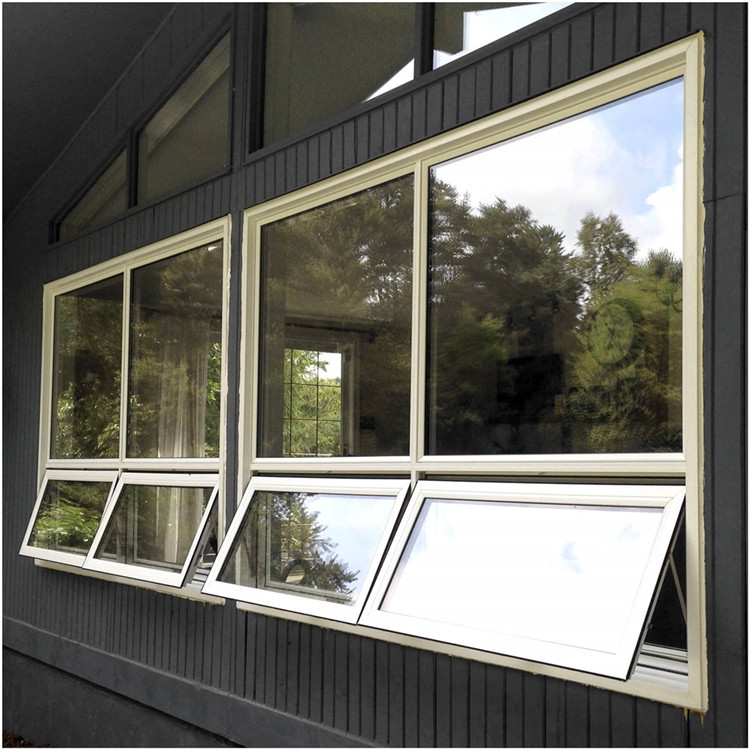
The exterior glass is the most visible part. Clean it from top to bottom. If marks remain, wet the area again and let it sit for a short time. This softens dirt and reduces the need for pressure.
The frame needs a different touch. Many modern awning windows use aluminum frames because they are durable and easy to maintain. Still, the frame finish should be cleaned with mild soap and soft cloths. Avoid sharp tools around the corners.
Hinges and crank hardware need careful cleaning. Wipe visible dirt with a damp cloth. Do not pour water into the mechanism. If the handle feels stiff after cleaning, the issue may be hardware wear, dirt buildup, or poor alignment. Forcing it can make the problem worse.
Seals and drainage points are easy to miss. Clean them with a soft brush or cloth. Blocked drainage can cause water to sit near the frame. This may create stains and reduce the clean look of the window.
A bathroom awning window often needs extra attention. Steam, soap film, and moisture can mix with exterior dust. If it sits near a shower or humid wall, clean the frame and seals more often.
Tip: For apartment, villa, and resort projects, ask installers about safe access before setting the cleaning schedule.
Do not lean far through the opening. An awning window can create an awkward angle. If you stretch too far, you may lose balance or damage the sash. Use a pole tool instead.
Clean on a dry and calm day. Wind can move the sash or blow cleaning spray back at you. Rain can leave new streaks before the glass dries. Strong sun can dry the cleaner too fast and create marks.
If you clean from outside, use stable access equipment. A ladder should stand on flat ground. Never place it against the glass or sash. If the window is high, large, or installed above a slope, professional cleaning is safer.
For commercial buildings, safety planning matters more than speed. Property teams should check window height, opening direction, façade access, and local safety rules. Cleaning should not depend on staff leaning out of openings.
Note: Upper-floor exterior cleaning should be handled by trained professionals when safe access is not clear.
Avoid high-pressure water. A pressure washer may seem fast, but it can force water into seals, joints, and hardware. Use controlled rinsing instead. Light water flow is enough for most cleaning jobs.
Avoid metal scrapers on glass. They may scratch the surface or damage coatings. If you find paint, glue, or hard mineral spots, soften the stain first. Then use a cleaner approved for glass.
Avoid harsh chemicals on frames. Strong acidic or alkaline products may harm the finish. They can also affect rubber seals. Mild soap is safer for routine cleaning.
Do not ignore the bottom edge. This area often collects the most dirt. When the sash opens outward, rain and dust may settle there. Wipe it every time you clean the glass.
Do not close the window while dirt remains in the seal path. Grit can press into the gasket and affect sealing. A clean closing edge helps the window perform better over time.
Most homes can clean exterior awning windows every two to three months. This schedule works well for normal dust, rain marks, and light outdoor grime. If the windows face a garden, road, or balcony, they may need cleaning more often.
A bathroom awning window may need monthly checks. Moisture can leave marks around frames and seals. If the room has poor ventilation, the window may collect residue faster.
Coastal homes need extra care. Salt in the air can settle on exterior glass and frames. Cleaning helps remove salt residue before it becomes harder to wipe away.
Commercial buildings also need a planned schedule. Hotels, apartments, office spaces, and villa developments often need consistent window appearance. Dirty exterior glass can affect the look of the whole façade.
Here is a simple guide:
Location Type | Suggested Cleaning Frequency | Main Reason |
Standard home | Every 2–3 months | Dust and rain marks |
Bathroom area | Monthly check | Moisture and residue |
Coastal property | Every 1–2 months | Salt and humidity |
Hotel or apartment | Set by maintenance plan | Consistent appearance |
Road-facing window | Every 1–2 months | Pollution and dust |
An awning window is usually harder to clean outside than a sliding window at the same height. A sliding panel often stays in one plane, while an awning sash opens outward. This changes the reach angle.
Compared with casement windows, awning windows may collect more dirt along the lower outward edge. Casement windows open from the side, so the dirt pattern is different. The cleaning tool choice may also change.
Compared with fixed windows, awning windows require more hardware care. A fixed window has fewer moving parts. An awning unit has hinges, handles, seals, and drainage points to inspect.
This does not mean awning windows are difficult to maintain. It means the cleaning method should match the design. When cleaned correctly, they can stay clear, attractive, and easy to use.
The phrase window awnings for house often refers to exterior shade covers, not awning windows. They are different products. Still, both need exterior cleaning because dust, rain, and outdoor air affect visible surfaces.
Cleaning outside awning windows is simple when you use mild cleaners, soft tools, and safe access. Focus on glass, frames, seals, and hardware. SUNGYE provides aluminum awning window solutions designed for secure ventilation, low maintenance, energy efficiency, and modern projects, helping homes and commercial spaces stay comfortable and visually clean.
A: Open it gently, dust first, wash glass, squeegee dry, then wipe the frame.
A: No. It may force water into seals and damage awning window hardware.
A: Mild soap and warm water work well for most glass and aluminum frames.
A: They can help, but only when they match your awning window glass thickness.
A: Every two to three months is enough for many homes.
A: Yes. It helps spot seal, drainage, and hardware issues early.


