
Views: 0 Author: Site Editor Publish Time: 2025-11-07 Origin: Site


Ever noticed a window that swings open like a door? That’s a casement window — stylish, functional, and energy-efficient. It blends beauty and practicality in homes of every style. In this post, you’ll learn what a casement window is, its main types, key advantages, and how it compares to other window designs.
A casement window is one of the simplest yet most efficient window styles. It’s hinged on one side and swings outward, just like a small door. You open or close it using a crank handle or lever, which makes it easy to operate even in hard-to-reach spots. When closed, the sash presses tightly into the frame, creating a strong weather seal that keeps air and moisture out.
Casement windows are known for their energy efficiency, tight sealing, and smooth operation. They perform especially well in windy or coastal areas, where air resistance can actually help tighten the seal. Because of their mechanical design, they also provide excellent ventilation, drawing fresh air into your home.
Here’s a quick summary:
| Feature | Casement Window |
|---|---|
| Operation | Opens outward on side hinges |
| Mechanism | Crank or lever handle |
| Glass Design | Single sash, wide glass pane |
| Main Benefits | Energy-efficient, easy to use, unobstructed view |
| Other Names | Crank window, side-hinged window |
A casement window works through a simple but clever mechanism. It’s hinged on one side, allowing the sash to swing outward like a door. You turn a small crank handle, and the arm inside gently pushes or pulls the window open or closed. This crank system gives you smooth control, even when the window is large or heavy.
When open, the sash catches side breezes and directs them indoors — a feature other window types can’t match. Fresh air flows from top to bottom, helping rooms feel cooler and more comfortable. When closed, the sash presses tightly against the frame, creating an airtight seal that blocks drafts and noise. This tight compression design also improves insulation and overall energy performance.
Casement windows can open up to a 90° angle, giving you wide ventilation and an easy way to clean both sides of the glass from indoors. That’s especially handy in upper floors or hard-to-reach spots. They’re a favorite for kitchens, bathrooms, and over countertops, where sliding or double-hung windows can be difficult to reach.
Casement windows are more than just elegant — they’re smart, efficient, and practical. Every detail in their design serves a purpose, from the side hinges to the tight locking system. Let’s look at what makes them such a popular choice among homeowners.
| Feature | Description | Homeowner Benefit |
|---|---|---|
| Side Hinges | Opens like a door | Maximum airflow |
| Compression Seal | Locks tight when closed | Better energy efficiency |
| Single Sash | One clear pane, no divider | Wider, brighter view |
| Internal Screen | Shielded from wind and rain | Easier to clean, longer life |
| Multi-Point Lock | Secures sash at multiple points | Enhanced home security |
Unlike sliding or double-hung windows, a casement can open fully outward. It catches side breezes and directs them indoors, refreshing a room in seconds. Even a small opening can pull in strong airflow, making it ideal for warm or coastal climates.
Casement windows seal tightly when closed. The compression gasket along the frame creates an airtight barrier, blocking drafts and moisture. This reduces heat loss in winter and keeps cool air in during summer — lowering energy bills year-round.
Because there’s no middle rail or divided sash, casement windows offer wide, uninterrupted views. You get a clean, open look that frames outdoor scenery beautifully. They also allow more natural light into rooms, creating a bright and welcoming feel.
Casement windows swing outward up to 90°, letting you clean both sides of the glass from indoors. It’s a safe, simple design — especially useful for upper-floor installations. No need to lean out or use ladders.
Most casement windows feature a multi-point locking system that secures the sash at several points around the frame. This makes them harder to pry open from outside. Combined with durable hinges and toughened glass, they offer reliable home security.
Casement windows fit seamlessly into modern or traditional homes. They can feature slim black aluminum frames for a minimalist look or painted wood finishes for classic appeal. Hardware, grille patterns, and glazing options make them easy to personalize.
Casement windows come in several designs, each tailored for different spaces and weather conditions. They all share the same basic idea — a hinged sash that swings open — but the hinge position and frame style change their function and look.
This is the most common style and the one most people imagine. It’s hinged on either the left or right side, allowing the window to open outward like a door. Because it opens fully, it provides excellent airflow and clear outdoor views. Side-hung designs are versatile and suit both modern and traditional homes.
A top-hung window, often called an awning window, is hinged at the top and opens upward. It forms a protective “awning” shape when open, keeping rain out while letting air in. These windows are perfect for bathrooms or coastal areas where you want ventilation even during a drizzle.
A hopper window is the opposite — it’s hinged at the bottom and tilts inward from the top. This design allows fresh air to enter while maintaining privacy and security. It’s great for basements, small bathrooms, or rooms needing limited ventilation.
The French casement adds elegance and symmetry. It has two sashes that open outward from the center without a vertical post between them. When open, you get a completely unobstructed view and wide ventilation — ideal for scenic locations or large openings.
A flush casement sits perfectly level with the outer frame when closed, creating a flat, seamless appearance. This gives it a minimalist, modern aesthetic, often chosen for contemporary architecture. It also improves wind resistance and insulation by reducing exterior gaps.
Unlike the others, a fixed casement doesn’t open at all. It’s used purely for natural light or visual balance, often paired with operable casements on the sides. These non-opening units enhance design symmetry while keeping energy performance high.
| Type | Hinge Position | Opening Direction | Best Use |
|---|---|---|---|
| Side-Hung | Left or right side | Outward | Living rooms, bedrooms |
| Top-Hung (Awning) | Top | Outward | Bathrooms, coastal homes |
| Bottom-Hung (Hopper) | Bottom | Inward | Basements, small spaces |
| French Casement | Both sides | Outward, double | Scenic views, wide frames |
| Flush Casement | Side | Outward | Modern homes, minimal design |
| Fixed Casement | None | Non-opening | Decorative or high windows |
Casement windows are incredibly versatile, fitting beautifully into almost every part of a home. Their wide opening angle and clean design make them both practical and stylish. They’re especially loved in places where easy access and airflow matter most.
| Home Area | Reason They Work Best | Recommended Style |
|---|---|---|
| Kitchen | Easy to open above counters | Sleek or minimalist |
| Bathroom | Controls humidity and airflow | Awning or side-hung |
| Living Room / Sunroom | Enhances light and outdoor views | Large paired units |
| Bedroom | Airy, quiet, energy-efficient | Traditional wood frame |
In kitchens, casement windows shine above sinks or countertops. You can open them easily using the crank handle, even when reaching over surfaces. They pull in fresh air quickly, removing steam and cooking smells. In bathrooms, their tight seal keeps humidity under control while letting moisture escape fast. That’s why they’re a go-to choice for well-ventilated, bright spaces.
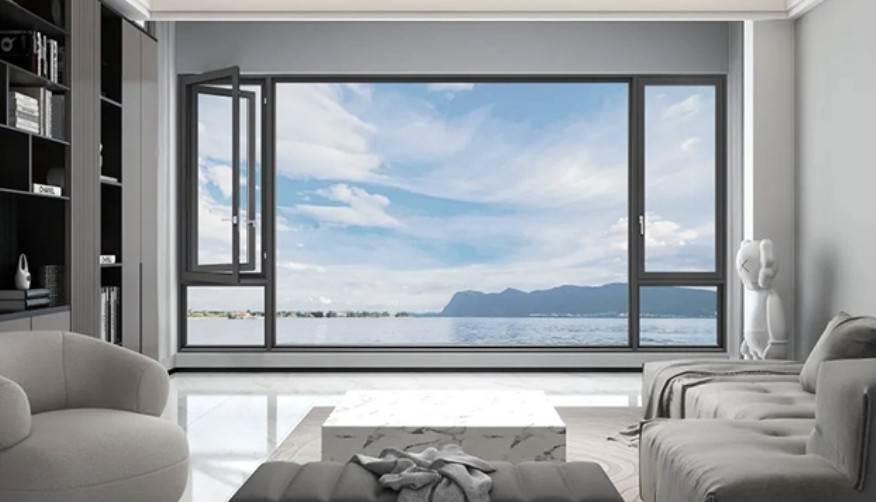
Living areas deserve natural light and open views — and casement windows deliver both. Their single-sash design floods rooms with daylight and eliminates bulky frames. Placed beside picture windows or in bay combinations, they create a seamless connection to outdoor scenery. They also help control airflow, keeping large rooms comfortable in every season.
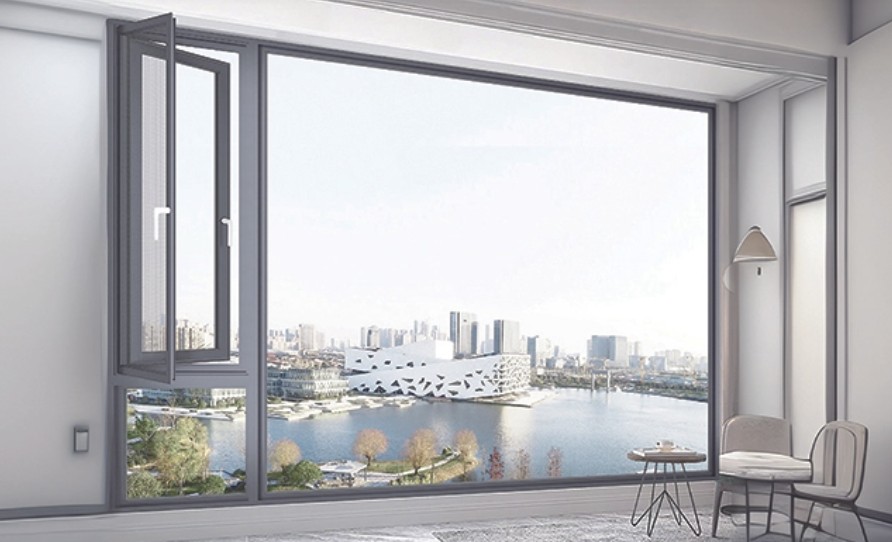
Casement windows make bedrooms feel airy and calm. Open them fully to draw in cool evening breezes or close them tightly for a quiet night’s rest. The snug seal improves insulation, helping maintain a steady temperature. They pair beautifully with drapes or blinds for a cozy, energy-saving retreat.
Casement windows complement both modern and traditional homes. In modern architecture, they often feature slim black or bronze frames and no grilles — emphasizing glass and simplicity. In classic designs, you’ll find white-painted wood, decorative grilles, and brass hardware, echoing timeless charm.
Casement windows vary in price, but they’re considered a solid long-term investment. For most homeowners, the average cost ranges from $600 to $1,200 per vinyl unit. That includes the window itself, but not always installation or custom upgrades. The final price depends on a few key factors — material, size, and glass type.
Vinyl frames are the most affordable, while wood and aluminum-clad designs cost more due to their craftsmanship and durability. Larger windows or those featuring triple-pane, Low-E, or gas-filled glass will also raise the total price but improve performance and insulation. Though the upfront cost can be higher than sliding or double-hung styles, casement windows often pay for themselves over time. Their tight compression seal reduces heating and cooling costs, saving energy every season.
Because of their solid construction and weather resistance, they also last longer before needing replacement. For best results, experts recommend professional installation. Proper fitting ensures the sash closes flush against the frame — maintaining the airtight seal that makes casement windows so efficient.
| Cost Factor | Typical Range / Note | Impact on Value |
|---|---|---|
| Base Price (Vinyl) | $600–$1,200 per window | Standard efficiency and low maintenance |
| Material Upgrade (Wood / Aluminum) | +$300–$800 | Higher durability and premium aesthetics |
| Glass Options (Low-E, Triple-Pane) | +$150–$500 | Better insulation and UV protection |
| Professional Installation | +$150–$300 | Ensures airtight seal and long-term performance |
Casement windows stand out because of their smart design and strong performance. But how do they compare to other common window styles? Here’s how they differ in function, airflow, and energy use.
A casement window is hinged on the side and swings outward. It allows full top-to-bottom ventilation and directs air into the room. Its tight seal keeps homes warm in winter and cool in summer. A double-hung window, on the other hand, slides vertically using two movable sashes. While it’s easier to add screens, it doesn’t open as wide, so airflow is more limited. Casements are better for energy efficiency; double-hungs are better for traditional aesthetics.
A sliding window moves horizontally along a track. It’s simple, low-maintenance, and works well where wall space is limited. However, sliders can’t open completely, which restricts ventilation. A casement window opens fully, capturing side breezes and offering a tighter compression seal. That seal blocks drafts and improves insulation — something sliders can’t match. If airflow and efficiency matter most, casement wins easily.
Both casement and awning windows use a crank system, but they open in different directions. A casement swings outward from the side, while an awning window opens upward from the top. Awning windows work best for rainy climates since the open sash forms a small roof. Casement windows, however, create a wider opening for stronger airflow and a clearer view. They’re often paired together — casements for ventilation, awnings for weather protection.
| Feature | Casement Window | Double-Hung Window | Sliding Window | Awning Window |
|---|---|---|---|---|
| Operation | Hinged, opens outward | Slides up and down | Slides side-to-side | Hinged at top, opens outward |
| Ventilation | Excellent, full opening | Moderate | Limited | Good, partial opening |
| Energy Efficiency | High (tight compression seal) | Average | Low–Moderate | High |
| Ease of Cleaning | Easy (opens 90°) | Moderate | Easy (track cleaning) | Easy (outward swing) |
| Best Use | Kitchens, living rooms | Classic homes | Compact spaces | Bathrooms, rainy areas |
A: A casement window is hinged on one side and swings outward using a crank handle. Unlike sliding or double-hung windows, it opens fully for better airflow and provides a tighter, more energy-efficient seal.
A: Yes. Casement windows use a compression seal that locks tightly when closed, reducing air leaks and improving insulation. When paired with Low-E or triple-pane glass, they’re among the most efficient window types.
A: They work perfectly in kitchens, bathrooms, and living rooms. Casements are easy to open in hard-to-reach spots and let in plenty of fresh air and light.
A: Most vinyl casement windows cost $600–$1,200 each. Wood or aluminum upgrades and high-performance glass options can increase that price but also add long-term value.
A: Yes. Their airtight seal resists drafts in cold or windy regions, while their wide opening provides strong ventilation in warm or humid areas.
A: Absolutely. Casements are often paired with fixed picture windows or used as side panels in bay and bow windows, combining beauty, light, and airflow in one design.
Casement windows combine style, performance, and everyday practicality. They bring fresh air, natural light, and timeless beauty to any space. From classic homes to modern builds, their versatility fits every design. Explore different materials and styles to find your perfect match. Ready to open up your view? Discover how casement windows can add light, comfort, and elegance to your home.
Founded in 1997, Foshan SUNGYE Doors and Windows Co., Ltd. is one of the top 10 international doors and windows manufacturers in the world.


