


There’s a type of window that stands firm against wind and rain, yet still welcomes fresh air and sunlight. This is the awning window, a smart design that opens outward from the bottom and shields your home like a tiny roof. It’s stylish, practical, and perfect for both modern houses and commercial buildings. In this post, you’ll discover what an awning window is, how it works, and why so many homeowners love its energy efficiency and weather protection.
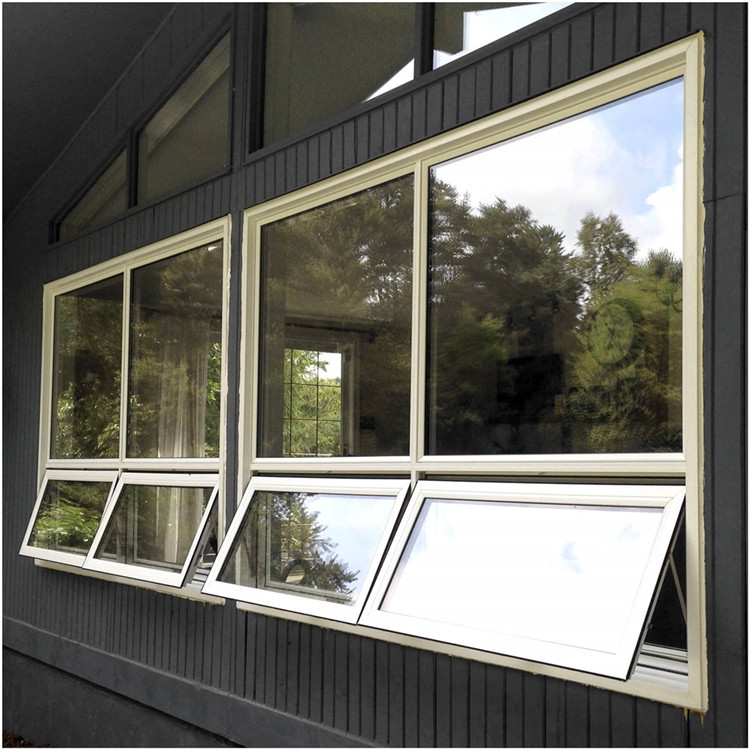
An awning window is simple but clever. It’s hinged at the top and swings outward from the bottom. When open, it forms a small canopy — much like an awning — protecting your room from rain while still letting air in.
You’ll often see it shaped horizontally, wider than it is tall. It usually has a single sash, opened by a crank handle or an easy push mechanism. This design allows smooth, controlled movement and a tight seal when closed.
Here’s a quick look at its main features:
| Feature | Description |
|---|---|
| Opening Style | Hinged at the top, opens outward from the bottom |
| Shape | Typically horizontal rectangle |
| Operation | Crank or push-out system |
| Function | Provides airflow even during light rain |
| Common Pairing | Often combined with picture or fixed windows |
Most awning windows are made from vinyl, aluminum, fiberglass, or wood. Vinyl and fiberglass offer low maintenance. Aluminum feels modern and sleek. Wood brings warmth and a classic look.
They fit well in many places — above sinks, in bathrooms, or high on walls where privacy matters. Many designers also pair them with picture windows, adding ventilation to large glass panels.
Compared to other window types, they have unique advantages. Casement windows swing sideways, ideal for wide openings. Slider windows move horizontally but may leak air more easily. Double-hung windows open vertically, yet can’t stay open in heavy rain. Awning windows solve all of that — compact, practical, and weather-smart.
An awning window does more than just open and close. It improves comfort, saves energy, and adds beauty to your home. Let’s look at its three main functions — how they make living spaces more efficient and enjoyable.
Awning windows seal tightly when closed. The sash presses firmly into the frame, creating an airtight compression seal. Fewer gaps mean less air leakage and stronger insulation. Many models use Low-E coated glass or even triple-pane glazing to keep heat where you want it — inside during winter and outside during summer. They also feature multi-point locking systems and dual weather-stripping, pulling the sash snug against the frame for maximum performance.
Independent studies back these claims. According to the American Energy Rating Council (AERC, 2022), homes equipped with awning-type shading systems or well-sealed window assemblies can reduce solar heat gain by 65 – 77 %, especially on south-facing windows in warm climates. The same principle applies to awning windows — their tight sealing and controlled opening design limit unwanted heat transfer, helping to maintain indoor comfort and reduce cooling demand.
Here’s how these features boost energy efficiency:
| Feature | Function | Benefit |
|---|---|---|
| Airtight compression seal | Reduces air leaks | Keeps indoor temperature stable |
| Low-E or triple-pane glass | Reflects heat | Lowers heating and cooling costs |
| Multi-point locks | Tight seal | Prevents drafts and improves security |
| Dual weather-stripping | Stops moisture entry | Increases lifespan of window frame |
All these design elements work together to cut energy waste and lower monthly utility bills. Backed by the AERC’s data, awning windows are a proven way to balance thermal performance and energy savings — good for your comfort and the environment.
This is where the awning design truly shines. Hinged at the top, the sash opens outward like a small roof. Even when it rains, air still flows inside while water stays out. The sloped sash pushes rainwater away from the frame. Inside, compression weather-stripping and drainage channels block moisture before it enters. These features make awning windows a smart pick for coastal homes and rain-heavy regions.
| Protection Element | How It Works | Ideal For |
|---|---|---|
| Top hinge + sloped sash | Deflects rainwater outward | Storm-prone areas |
| Compression seal | Keeps moisture out | Humid climates |
| Drainage channels | Direct water away | Long rainy seasons |
Maintenance is easy. Just clean the outer glass using a ladder or long-reach cleaner, and check the rubber seals once a year to keep the window weather-tight.
Awning windows aren’t only practical — they look great too. Their sleek, horizontal proportions create a clean, modern feel that suits almost any architectural style. They can stand alone or be paired with large picture windows or transoms to add depth and dimension. The result is a brighter, airier space where natural light spreads evenly.
Architects love them for another reason: symmetry. Awning windows add architectural rhythm to façades and make rooms feel balanced inside and out. Whether your home is classic brick or ultra-modern glass, an awning window fits right in.
Awning windows fit beautifully in many parts of a home. Their top-hinged design keeps out rain while allowing fresh air inside. Whether you need privacy, light, or airflow, they adapt easily to every space.
Bathrooms need ventilation but also privacy. Awning windows provide both. When opened slightly, they let humid air escape while keeping the view protected. Even during light rain, you can still air out the room. Install them high on the wall or above the shower to prevent moisture buildup and keep the mirror fog-free.
In kitchens, air circulation matters. Placing an awning window above the sink or counter makes it simple to release steam and cooking odors. A quick crank of the handle brings in a gentle breeze without worrying about splashes or rain. The outward opening keeps water out even when it’s drizzling.
| Placement | Benefit | Best Feature |
|---|---|---|
| Above sink or stove | Removes cooking smells | Easy crank operation |
| Near dining area | Circulates air quietly | Keeps insects out |
| Facing garden or patio | Adds light to workspace | Frames outdoor views |
Basements often feel dark and stuffy. Awning windows solve that. Installed high on the wall, they let in natural light and fresh air without compromising security. The compact size makes them perfect for tight spaces where full-size windows can’t fit.
In modern homes, designers use awning windows as clerestory windows — narrow, high-level openings near the roofline. They brighten interiors without direct glare. When combined in a row, they create sleek horizontal lines that enhance architectural style while improving ventilation.
Bedrooms and offices benefit from calm, steady airflow. Pairing an awning window with a large fixed pane allows sunlight in while maintaining a gentle cross-breeze. It’s a great choice for quiet areas where you want both natural light and peace.
Awning windows aren’t just for homes. In cafes and art studios, they promote air circulation without disrupting the indoor environment. In offices, they add comfort and help reduce reliance on air conditioning. The outward opening also saves interior space — an advantage in busy commercial layouts.
Every window style has its strong and weak points. Awning windows are no exception. Let’s look at what makes them stand out — and what to keep in mind before installing them.
Awning windows bring comfort and practicality to almost any space. Their unique top-hinged design creates many everyday benefits.
Ventilation during rain – The outward swing forms a roof-like barrier that keeps rain out while fresh air flows in. You can leave it open during light showers without worry.
Superior energy efficiency – The sash pulls tight against the frame, forming a compression seal that limits air leaks. Paired with Low-E or triple-pane glass, it helps maintain indoor temperatures.
Enhanced privacy and security – These windows often sit high on the wall, reducing outside visibility. The smaller opening angle and multi-point locks add protection against intruders.
Design versatility – They pair easily with picture, casement, or fixed windows for a balanced look. The clean horizontal shape fits both modern and classic architecture.
Durability – Hardware stays protected from rain and debris under the sash. Less exposure means less corrosion and a longer lifespan.
Natural light and view optimization – They let daylight flood in while minimizing visual clutter. The single sash keeps the glass area clear and open.
| Advantage | Why It Matters |
|---|---|
| Works during rain | Continuous airflow in any weather |
| Tight seal | Lower energy bills |
| Compact & secure | Privacy without losing ventilation |
| Mixes with other styles | More design freedom |
| Long-lasting hardware | Fewer repairs over time |
| Clean daylight view | Brighter, more inviting interiors |
While they’re practical, awning windows have some trade-offs worth noting.
Difficult to clean exterior – On upper floors, the outside glass can’t be reached from inside. It often requires a ladder or professional cleaning.
Limited opening angle – The sash doesn’t open as wide as casement windows, which slightly reduces airflow.
Space requirement – When opened, it extends outward. That can block patios, decks, or walkways, so placement needs planning.
Higher initial installation cost – Strong hinges and tight seals add cost and complexity to installation.
Not suitable for window AC units – The outward swing design prevents mounting air conditioners directly on the frame.
Potential wear on cranks or hinges – Over time, repeated use without lubrication may cause stiffness or misalignment.
| Disadvantage | Possible Impact |
|---|---|
| Hard to clean | Extra effort for maintenance |
| Small opening | Less ventilation in large rooms |
| Needs clearance | Can limit exterior layout |
| Higher cost | More expensive than sliders |
| No AC fit | Less flexible for older buildings |
| Moving parts wear | May need repairs after long use |
Awning windows combine function, beauty, and comfort in one design. They save energy, block rain, and brighten rooms with natural light. Perfect for bathrooms, kitchens, or offices, they fit nearly any style or space. Before choosing, think about your climate, upkeep, and budget. Consult a professional window supplier to find the perfect awning window for your home.
Founded in 1997, FoshanSUNGYE Doors and Windows Co., Ltd. is one of the top 10 international brand doors and Windows manufacturers in the world. If you have custom size, material, or style requirements, we can meet them all with precision and care.
A: Casement windows open sideways like a door, while awning windows hinge at the top and swing outward. This design keeps out rain while letting in air, making awnings ideal for high or exposed wall placements.
A: Most are built from vinyl, aluminum, wood, or fiberglass. Vinyl and fiberglass are low-maintenance, aluminum offers a modern finish, and wood adds warmth and elegance.
A: Yes. Their tight compression seals and built-in drainage make them effective in both wet coastal zones and dry climates.
A: Absolutely. They can be custom-sized, color-matched, or paired with picture and fixed windows for unique architectural designs.
A: Clean glass regularly, lubricate cranks or hinges once a year, and inspect weather seals to prevent leaks or stiffness.
A: Yes. Their compression seal and multi-layer glass structure reduce outside noise, keeping interiors quiet and comfortable.
A: Many modern models support electric openers or smart automation, perfect for tall installations or spaces that are hard to reach.


