
Views: 0 Author: Site Editor Publish Time: 2025-05-09 Origin: Site


Casement windows have long been celebrated for their elegance and functionality, offering a blend of aesthetic appeal and practical benefits. They hinge at the side and open outward, much like a door, allowing for maximum ventilation and unobstructed views. The popularity of Casement Windows in modern architecture underscores their versatility in various design contexts. However, beneath their charm lies a set of disadvantages that are often overlooked. Understanding these downsides is essential for homeowners and architects aiming to make informed decisions about window installations. This comprehensive analysis delves into the potential drawbacks of casement windows, examining their structural vulnerabilities, maintenance challenges, security issues, and more.
One of the primary concerns with casement windows is their susceptibility to strong winds. Since they open outward, a powerful gust can catch the sash, potentially causing damage to the window frame or the hinge mechanisms. In regions prone to high winds or storms, this can be a significant drawback. A study by the National Association of Home Builders found that windows projecting outward are at a higher risk of wind-related damages compared to sliding or fixed windows. Furthermore, the design of casement windows makes them vulnerable to natural elements. For instance, prolonged exposure to rain and moisture can lead to warping or corrosion of the window components, especially if they are made of materials like wood or low-grade metals. This not only compromises the structural integrity but also the overall lifespan of the window.
The mechanical parts of casement windows, such as the hinges and cranks, are also points of potential failure. These moving parts can wear out over time due to frequent use or lack of maintenance. According to industry reports, the average lifespan of window hardware can be significantly reduced in harsh climates or without regular upkeep. Replacing or repairing these components can be costly and may require professional assistance, adding to the long-term expenses associated with casement windows.
Maintenance is another area where casement windows may pose challenges. The complexity of their mechanisms demands regular attention to ensure smooth operation. The crank systems, in particular, can become stiff or jammed due to dirt buildup or rust. Homeowners may need to lubricate the moving parts periodically, which can be an inconvenience compared to the low-maintenance nature of fixed or sliding windows. Additionally, the seals around casement windows are crucial for preventing drafts and water infiltration. Over time, these seals can deteriorate, leading to energy inefficiency and potential water damage to the interior spaces.
Cleaning casement windows can also be more complicated. Since they open outward, accessing both sides of the glass requires reaching outside, which can be hazardous, especially for windows on higher floors. This may necessitate professional cleaning services, further increasing the maintenance costs. Moreover, the exterior hardware is exposed to the elements, making it more susceptible to wear and requiring more frequent inspections and potential replacements.
Security is a vital consideration for any window type, and casement windows have specific vulnerabilities. The outward opening mechanism can be exploited if the window is left ajar, providing an easy entry point for intruders. While modern casement windows often include multipoint locking systems, these can be bypassed if the locks are not engaged properly. A report by the Home Security Journal indicates that windows which open outward are more susceptible to forced entry compared to inward-opening or fixed windows.
Furthermore, the hinges of casement windows are on the exterior, potentially making them targets for tampering. Although many manufacturers have addressed this issue by using tamper-resistant hinges, older models may still be at risk. Homeowners need to be vigilant about the condition of their window hardware and consider additional security measures, such as installing window sensors or security bars, to mitigate these risks.
The financial aspect is a significant downside when it comes to casement windows. They typically have a higher upfront cost compared to other window types like sliding or double-hung windows. This is due to the complex hardware and mechanisms required for their operation. According to data from the Window and Door Manufacturers Association, casement windows can cost up to 30% more than standard double-hung windows. For large-scale projects or homes requiring numerous windows, this price difference can substantially impact the overall budget.
In addition to the initial investment, maintenance and repair costs can accumulate over time. As previously mentioned, the moving parts are prone to wear and may require professional servicing. Replacement of specialized hardware can also be more expensive due to the need for specific components that may not be universally available. These ongoing expenses should be factored into the long-term cost analysis for homeowners considering casement windows.
Climate plays a crucial role in the performance of casement windows. In areas with extreme weather conditions, such as heavy snowfall or high winds, the outward-opening design can be problematic. Snow accumulation can obstruct the window's ability to open, while strong winds can strain the hinges and frame. The American Architectural Manufacturers Association highlights that in hurricane-prone regions, casement windows may not provide the necessary resilience unless they are specifically engineered to meet stringent impact resistance standards.
Moreover, in hot climates, the extensive use of metal components in casement windows can lead to heat transfer, affecting the indoor temperature and increasing cooling costs. While thermal breaks and insulated glazing can mitigate this issue, they add to the overall expense. Homeowners must assess the suitability of casement windows based on their regional climate and consider whether alternative window types might offer better performance under local conditions.
The design of casement windows requires sufficient exterior space for the sash to swing open fully. In urban settings or areas where external space is limited, this can pose a significant limitation. Overhanging trees, adjacent buildings, or architectural features like balconies can obstruct the window's operation. This not only reduces functionality but can also lead to damage if the window collides with external objects.
Interior design considerations are also impacted by casement windows. For example, installing window air conditioning units is generally not feasible with casement windows due to their opening mechanism. This restricts homeowners to central air systems or alternative cooling solutions, which may not be practical or cost-effective for all situations. Additionally, the placement of interior furnishings must account for the space needed to operate the window crank, potentially limiting room layouts or decorating options.
While casement windows can be energy efficient when properly sealed, their performance can degrade over time due to wear on the seals and hardware. Gaps can develop, allowing drafts and reducing the thermal efficiency of the window. The U.S. Department of Energy notes that windows account for significant heat loss in homes, and poorly maintained casement windows can contribute to higher energy bills. Regular inspection and maintenance are required to ensure that the windows continue to perform optimally, which can be a burden for some homeowners.
Furthermore, the use of single-pane glass in some casement windows exacerbates energy loss. Upgrading to double or triple-pane glass with low-emissivity coatings improves efficiency but adds to the cost. In comparison, other window types may inherently offer better insulation at a lower price point. Thus, the long-term energy efficiency of casement windows may not always justify the initial and ongoing expenses required to maintain their performance.
Casement windows may not provide optimal noise insulation, especially if they are not properly sealed. In urban environments or areas with high levels of ambient noise, this can be a significant disadvantage. The gaps that can develop over time due to seal deterioration allow sound to penetrate more easily. According to the World Health Organization, prolonged exposure to noise pollution can have adverse health effects, making noise insulation an important consideration for residential properties.
Advanced glazing options, such as laminated or acoustically treated glass, can enhance soundproofing but at an additional cost. Homeowners must weigh the benefits of improved noise insulation against the financial implications. Alternative window designs may inherently offer better acoustic performance without the need for specialized glass or expensive upgrades.
The outward-opening nature of casement windows can pose risks to pedestrians and property if located near walkways or tight exterior spaces. An open window can obstruct paths or even cause injury if someone walks into it. This is a particular concern for ground-floor windows adjacent to public sidewalks or communal areas. Building codes in some jurisdictions address this issue by restricting the use of outward-opening windows in certain locations, potentially limiting where casement windows can be installed.
Moreover, the windows themselves can be damaged if they collide with external fixtures like gutters, light fixtures, or signage. Wind can exacerbate this risk by causing the window to swing uncontrollably, leading to impact damage. Installing casement windows in such environments may require additional hardware, such as restrictor stays or buffers, to limit the opening angle, which adds complexity and cost.
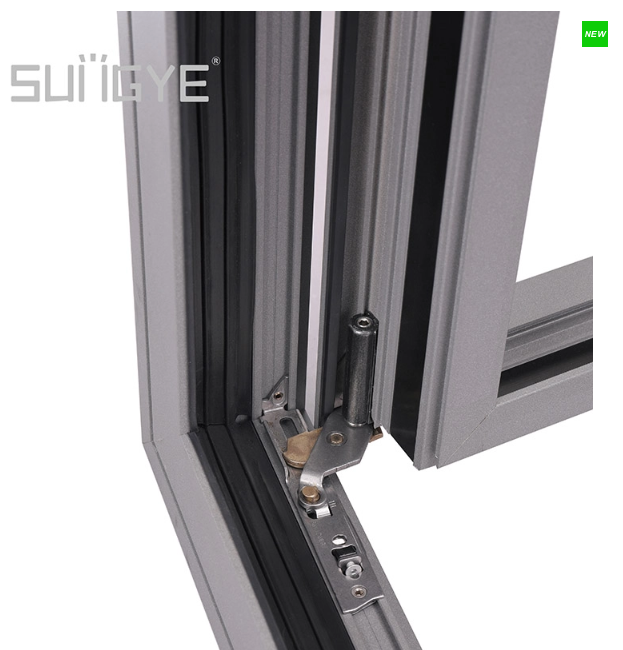
Selecting appropriate window treatments for casement windows can be challenging due to the crank mechanisms and the way the window opens. Traditional blinds or shades may obstruct the operation of the window or be damaged when the window is opened. This limits the options for homeowners seeking to control light and privacy. Specialized window treatments that accommodate casement windows are available but may come at a higher price and offer fewer style choices.
Additionally, interior shutters or certain types of curtains may not be practical, forcing homeowners to compromise on their interior design preferences. This incompatibility can impact the overall aesthetic of a room and may require creative solutions or custom installations to resolve.
The materials used in casement windows, such as aluminum or certain types of treated wood, can have environmental implications. Aluminum production is energy-intensive and has a significant carbon footprint. While aluminum windows are durable and recyclable, the initial environmental cost is higher compared to other materials. Similarly, wood casement windows require regular treatment with chemicals to prevent rot and insect damage, which can be environmentally harmful.
Homeowners with sustainability priorities may find these factors concerning. Alternative window materials like vinyl or fiberglass may offer a more eco-friendly profile. Evaluating the life cycle environmental impact of casement windows is important for those aiming to minimize their ecological footprint.
Casement windows undoubtedly bring a blend of style and functionality to modern homes and buildings. Their ability to provide excellent ventilation and unobstructed views makes them an attractive option for many. However, the downsides—including structural vulnerabilities, maintenance demands, security concerns, and cost implications—are significant factors that must be carefully weighed. The challenges with space requirements, energy efficiency, noise insulation, and compatibility with window treatments further underscore the complexity of choosing casement windows.
For homeowners and architects, it is essential to consider these disadvantages in the context of the specific needs and conditions of the property. Exploring alternative window options or consulting with professionals may lead to solutions that better align with practical requirements and aesthetic preferences. Ultimately, a thorough understanding of the potential drawbacks associated with Casement Windows enables a more informed decision-making process, ensuring that the choice of windows enhances both the functionality and value of the property.


