
Views: 0 Author: Site Editor Publish Time: 2026-07-08 Origin: Site


The market for upgrading home fenestration is saturated with aggressive sales tactics, conflicting manufacturer claims, and opaque estimating models. This noise makes it difficult for homeowners to separate fact from marketing fiction. Relying on outdated assumptions or widespread window replacement myths leads to critical evaluation errors. These misjudgments often result in paying for unnecessary features, voiding manufacturer warranties, or selecting products that fail to resolve underlying structural or thermal issues.
To make an informed, high-return investment, homeowners must evaluate upgrades through an evidence-based lens. We see too many projects fail because buyers focus on the wrong metrics. This guide dismantles the most pervasive misconceptions in the industry. It provides a technical framework to assess framing materials, installation standards, and supplier credibility, ensuring your next project delivers measurable performance improvements.
Material parity is a fallacy: Performance varies drastically across framing materials; modern aluminum replacement windows, fiberglass, and premium vinyl serve entirely different architectural and climatic requirements.
Installation dictates performance: Even top-tier energy efficient windows will fail without rigorous, code-compliant installation and ongoing professional window installation support.
Quotations require forensic review: The lowest window supplier quotation often omits critical line items like structural remediation, custom flashing, or labor warranties.
Energy efficiency is a system, not a sticker: True thermal performance requires evaluating the synergy between glass packages (Low-E, argon fill), spacer systems, and frame construction against your specific climate zone.
Homeowners often assume standard building codes guarantee baseline performance across all brands. This assumption leads to price-only purchasing decisions that ignore severe quality discrepancies. The reality is that manufacturing tolerances vary wildly between product lines. We regularly tear out ten-year-old builder-grade units that have warped, leaked, or failed completely because they barely met minimum code requirements at the time of installation.
There is a stark contrast between high-volume builder-grade units and custom architectural-grade extrusions. Builder-grade units often rely on thinner vinyl walls, recycled plastics, and standard zinc-plated hardware. Architectural-grade products utilize engineered extrusion processes, reinforced sash corners, and stainless steel components designed to withstand decades of operational stress. When you operate a premium sash, you feel the difference in the balance system and the rigidity of the frame.
You must verify structural integrity before purchasing. Look for Design Pressure (DP) ratings and Performance Grade (PG) metrics. These numbers indicate how well the unit withstands local wind loads, water penetration, and structural settling. AAMA certification provides an additional layer of third-party verification, ensuring the product meets stringent industry benchmarks.
Feature | Builder-Grade Windows | Architectural-Grade Windows |
|---|---|---|
Extrusion Wall Thickness | Thin (0.060" - 0.070") | Thick (0.080" - 0.095"+) |
Hardware Material | Zinc-plated or standard steel | Marine-grade stainless steel |
Corner Construction | Basic fusion weld, unreinforced | Reinforced, gusseted, or mechanically fastened |
Design Pressure (DP) | DP 15 to DP 25 | DP 35 to DP 60+ |
Weatherstripping | Single weatherstrip layer | Triple-fin or bulb seal systems |
Understanding these metrics prevents you from buying a product that will fail under the specific environmental loads of your region. Always ask the supplier for the exact DP rating of the unit you are considering.
A premium window installed out-of-plumb or without proper flashing will fail. It will leak air and water, leading to localized mold, rot, and hidden structural damage inside your wall cavities. Installation execution is just as critical as the product engineering. We have seen top-tier units ruined by installers who skipped the sill pan or used the wrong type of sealant.
Assess the functional difference between installation methodologies. A "pocket installation" simply inserts a new sash into an existing frame. This works only if the original frame is pristine and square. A "full-frame tear-out" removes everything down to the rough opening. This allows installers to address hidden water damage, replace rotting wood, and apply modern flashing systems directly to the sheathing.
Robust window installation support from certified, factory-trained crews is non-negotiable. Reputable manufacturers tie their product warranty validity directly to documented, standard-compliant installation practices. If a general subcontractor cuts corners on the sill pan or uses high-expansion foam that bows the jambs, your warranty is likely void the moment the caulk dries.
Verify the use of low-expansion polyurethane window and door foam.
Ensure the crew installs a sloped sill pan before setting the unit.
Check that they use compatible flashing tapes (e.g., butyl or acrylic).
Confirm the use of backer rod and high-grade exterior sealant.
Marketing materials often overstate returns, suggesting new units will immediately cut HVAC costs in half. This ignores the home's overall thermal envelope. While upgrading glass helps, it is only one piece of a complex building science puzzle. If your attic lacks insulation or your rim joists leak air, new glass will not magically solve your energy problems.
To understand true performance, you must demystify NFRC ratings. U-Factor measures insulation performance; lower numbers mean better insulation. Solar Heat Gain Coefficient (SHGC) measures how much solar radiation enters your home. Visible Transmittance (VT) dictates natural light, and Air Leakage (AL) measures draft resistance. You need to look at the whole label, not just the marketing sticker.
Climate zones dictate the necessary glass package. Northern climates benefit from a higher SHGC to capture winter solar heat gain. Southern climates require a low SHGC to block intense summer sun. Consider the trade-off between upgrading to energy efficient windows with triple-pane glass versus investing in attic insulation. Windows must be treated as one component of a holistic thermal strategy.
Climate Zone | Recommended U-Factor | Recommended SHGC | Primary Goal |
|---|---|---|---|
Northern (Cold) | 0.27 or lower | 0.32 to 0.40+ | Maximize insulation, allow passive solar heat. |
Mixed (Moderate) | 0.30 or lower | 0.30 or lower | Balance heating and cooling needs. |
Southern (Hot) | 0.40 or lower | 0.25 or lower | Block solar heat gain, reduce AC load. |
There is a historical stigma that cold, drafty, single-pane aluminum frames conduct heat and cold right into the living space. While older extrusions suffered from poor thermal dynamics, modern engineering has completely transformed this material category. We no longer deal with the sweating, freezing frames of the 1980s.
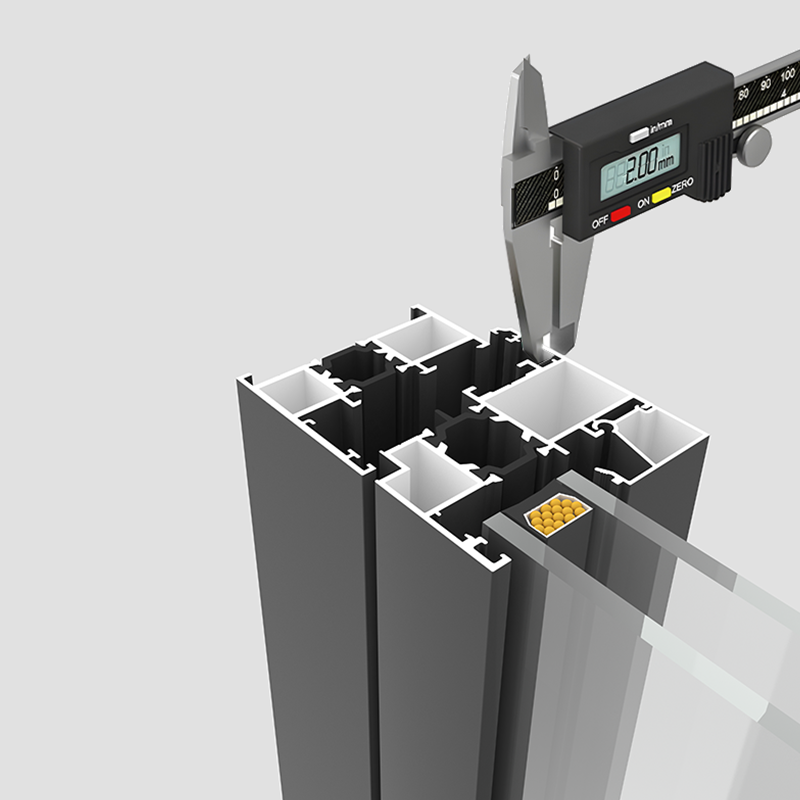
The science of thermal breaks changes the equation. Manufacturers now insert structural thermal breaks—typically high-density polyurethane or polyamide struts—directly into the frame. This physical separation halts thermal transfer. It keeps the interior surface comfortable regardless of exterior weather conditions. The metal outside never touches the metal inside.
Modern thermally broken aluminum replacement windows offer unmatched structural and aesthetic superiority. They support massive expanses of heavy glass with ultra-narrow sightlines. This makes them ideal for high-wind coastal zones and modern architectural designs. They easily justify their position against standard vinyl alternatives when you need strength and a minimalist profile.
Treating an estimate as a final, comprehensive price is a dangerous trap. The lowest bid is often subject to change based on hidden site conditions or aggressive sales exclusions. Undercapitalized contractors frequently cut corners to maintain profit margins on low-bid projects. They might reuse old interior trim or skip the exterior aluminum capping.
You must audit every window supplier quotation for line-item details. Check for disposal fees, exterior cladding, interior trim work, permit costs, and dry rot remediation. If these are missing, your final invoice will skyrocket once the walls are opened. We always advise clients to compare scopes of work, not just the bottom-line number.
Verify that old material disposal and dumpster fees are included.
Check if interior casing replacement or touch-up painting is covered.
Ensure exterior custom aluminum capping or brickmould is specified.
Confirm the inclusion of local municipal permit pulling and fees.
Look for a stated hourly rate for unexpected dry rot repair.
Beware of high-pressure pricing myths. "Today-only" discounts or "buy-one-get-one-free" sales tactics are designed to prevent you from comparing actual unit and labor costs. A legitimate contractor will provide a detailed, transparent scope of work that accounts for high-performance sealants, flashing tapes, and proper insulation.
Delaying replacement because the current units "look fine" ignores invisible degradation. Many homeowners believe the myth that replacement windows offer zero tangible return on investment beyond curb appeal. This overlooks critical functional benefits that impact daily living and home preservation.
Consider acoustic insulation. Not all double-pane glass blocks sound equally. Sound Transmission Class (STC) ratings reveal how well a unit mitigates noise. Laminated glass or asymmetrical glass thicknesses drastically reduce exterior traffic noise. If you live near a busy road, upgrading your glass package transforms the comfort of your living space.
Advanced Low-E coatings prevent UV radiation from fading interior hardwood flooring, artwork, and furniture. Furthermore, draft mitigation reduces short-cycling and wear-and-tear on heating and cooling systems. Frame the return on investment in terms of asset protection, preventing water intrusion, and preserving overall home value.
High-pressure sales representatives often insist that a whole-house replacement is the only functional option. This is simply untrue. Phasing your project is a highly effective way to manage cash flow while addressing the most critical vulnerabilities first. We frequently break large residential projects into two or three phases over several years.
Implement a phased framework by prioritizing elevations facing extreme weather. South- and west-facing rooms may need immediate solar heat mitigation. North-facing bedrooms might require urgent draft protection. High-occupancy rooms should take precedence over rarely used guest spaces or garage units.
Maintain aesthetic cohesion by matching exterior sightlines, frame colors, and grid patterns across different project phases. While volume discounting exists for large single orders, the financial flexibility of a multi-year, phased approach often makes more sense for comprehensive home renovations. Just ensure you select a manufacturer with stable, long-running product lines.
Amateur installation carries severe financial, structural, and legal risks. Modern fenestration systems require precise water management techniques. Without proper sub-sill pans, backer rods, and modern flashing systems, you risk catastrophic, hidden wall cavity leaks. Water always finds a way in if the flashing details are incorrect.
Self-installation almost universally voids manufacturer product warranties. If a seal fails or a sash warps in five years, the manufacturer will reject the claim due to improper handling. You become entirely liable for future component failures and the resulting water damage. Factory reps can spot an amateur install immediately.
Professional installation shifts this liability. Reputable contractors carry worker's compensation, liability insurance, and labor warranties. This protects your home asset and ensures the products perform exactly as engineered in the laboratory. The money saved on DIY labor is quickly lost when you have to tear open a wall to fix rot.
There is a false expectation that "maintenance-free" materials like premium vinyl, fiberglass, or clad-wood require absolutely no homeowner intervention over a 30-year lifespan. While they do not require painting, they are mechanical systems that need basic care. Moving parts need attention.
Operational hardware experiences mechanical wear. Balances, operators, hinges, weatherstripping, and locking mechanisms accumulate dust and debris. Tracks must be vacuumed and moving parts lubricated annually with silicone-based sprays to ensure smooth operation and tight seals. Never use petroleum-based lubricants, as they attract dirt and degrade vinyl components.
Weep holes on the exterior sill must remain clear of dirt and insects to allow bulk water to drain properly. Neglecting these simple maintenance tasks can lead to premature hardware failure, water pooling, and compromised draft resistance, even on top-tier architectural units. A quick annual inspection prevents major operational issues.
Many homeowners are led to believe that double-pane glass is obsolete and triple-pane is mandatory for adequate insulation. While triple-pane units offer superior U-factors, they are not strictly necessary for every climate or architectural application. In many regions, the return on investment for that third pane is negligible.
Triple-pane glass is significantly heavier, placing extra strain on sash hardware and balances. It also reduces Visible Transmittance (VT), slightly darkening the interior space. In moderate climates, the incremental energy savings of a third pane may take decades to offset the higher upfront cost. You also lose some operational ease due to the sheer weight of the sash.
A high-quality double-pane unit with advanced Low-E coatings, argon gas fill, and a warm-edge spacer system often provides more than enough thermal resistance for standard residential applications. Base your glass package decision on local climate data rather than blanket industry generalizations.
Evaluate your existing frames for hidden water damage before selecting a replacement style. Always request NFRC performance labels to verify the thermal metrics against your specific local climate zone requirements. Audit contractor quotes meticulously to ensure structural remediation and proper flashing materials are included in the final scope of work. Schedule routine maintenance checks for hardware and weep holes to protect your investment over the long term.
A: High-quality vinyl and fiberglass units generally last 20 to 30 years. Thermally broken aluminum can last even longer due to its structural rigidity. Lifespan heavily depends on proper installation, climate exposure, and routine hardware maintenance.
A: Professional installers use techniques to minimize disruption. Pocket installations leave interior trim intact. Full-frame replacements require removing trim, which may necessitate minor touch-up painting or caulking, but significant wall damage is rare with experienced crews.
A: Low-E (low-emissivity) glass features a microscopic metallic coating that reflects infrared heat and UV rays. It keeps heat inside during winter and blocks solar heat during summer, vastly outperforming the thermal dynamics of standard uncoated glass.
A: Yes. Professional crews install year-round. They typically work on one opening at a time to minimize heat loss. Specialized cold-weather sealants and expanding foams are used to ensure proper curing and weatherproofing in low temperatures.
A: Argon is a dense, inert gas that slows thermal transfer much better than regular air. When sealed between glass panes, it significantly improves the U-Factor, reducing drafts and increasing the overall energy efficiency of the unit.


