
Views: 0 Author: Site Editor Publish Time: 2026-10-30 Origin: Site


Property owners and builders face a constant trade-off between upfront capital expenditure and long-term operational friction. The true cost of residential and commercial windows extends far beyond the initial installation. Long-term time investments lie in ongoing maintenance, exterior glass access, sash mechanics, and weather seal degradation. Selecting the wrong window style for upper floors or hard-to-reach areas creates decades of logistical headaches and increased labor requirements. Exterior glass access demands constant attention over the lifespan of a building envelope.
This guide provides a technical evaluation of single-hung and double-hung windows. We compare their structural anatomy, lifecycle maintenance requirements, and performance dimensions. Understanding these mechanical differences helps you make an evidence-based specification for your property. You can align your fenestration choices directly with your long-term maintenance capabilities and ventilation needs without sacrificing structural integrity.
Understanding the structural configuration of a single-hung window requires looking at its master frame and sash distribution. In this design, the top sash is permanently fixed in place and glazed directly into the frame. Only the bottom sash is operable. It slides vertically along the side jambs to provide ventilation. This fixed-top architecture fundamentally dictates how the window performs over time and how maintenance crews must service it.
The success criteria for basic window mechanics heavily favor this simpler design. Because the top sash does not move, the window requires fewer tracks integrated into the jambs. Fewer tracks mean fewer channels for dirt, debris, and dead insects to accumulate. The fixed nature of the upper glass reduces the total linear footage of weatherstripping required. Weatherstripping remains a common failure point in fenestration. Minimizing contact points inherently reduces the risk of air infiltration as the materials age and compress under thermal loads.
Single-hung units utilize simplified balance systems. Window balances are the mechanical components hidden inside the jambs that counteract the weight of the sash. They allow the window to stay open without slamming shut. Since only one sash moves, the manufacturer only needs to install one set of balances. This reduction in moving parts directly translates to fewer mechanical components that can fatigue, snap, or require replacement over a twenty-year lifecycle. Field technicians spend significantly less time troubleshooting jammed tracks on these simpler units.
The dual-operable sash configuration defines the architecture of double-hung windows. Both the top and bottom sashes move independently within the master frame. This requires a more complex jamb extrusion featuring dual tracks to accommodate the passing sashes. The overlapping meeting rails in the center must interlock precisely. They form a secure weather seal when the window is closed and locked.
To support the weight of two moving sashes, the internal mechanics are significantly more complex. Manufacturers utilize various balance systems to handle the load. Spiral balances use a twisted steel rod inside a tube to provide tension. Block-and-tackle systems rely on a series of pulleys and a tensioned cord. Constant force balances use coiled steel springs, similar to a tape measure, to provide smooth operation. Because both sashes require their own independent balance systems, the jambs are densely packed with hardware.
This mechanical density provides ultimate operational flexibility but introduces more potential points of failure. The weatherstripping must seal against two moving surfaces. The interlocking meeting rail relies heavily on the cam lock to pull the sashes tightly together. Understanding this anatomy helps you evaluate the long-term maintenance commitments required to keep these units operating smoothly across different seasons.
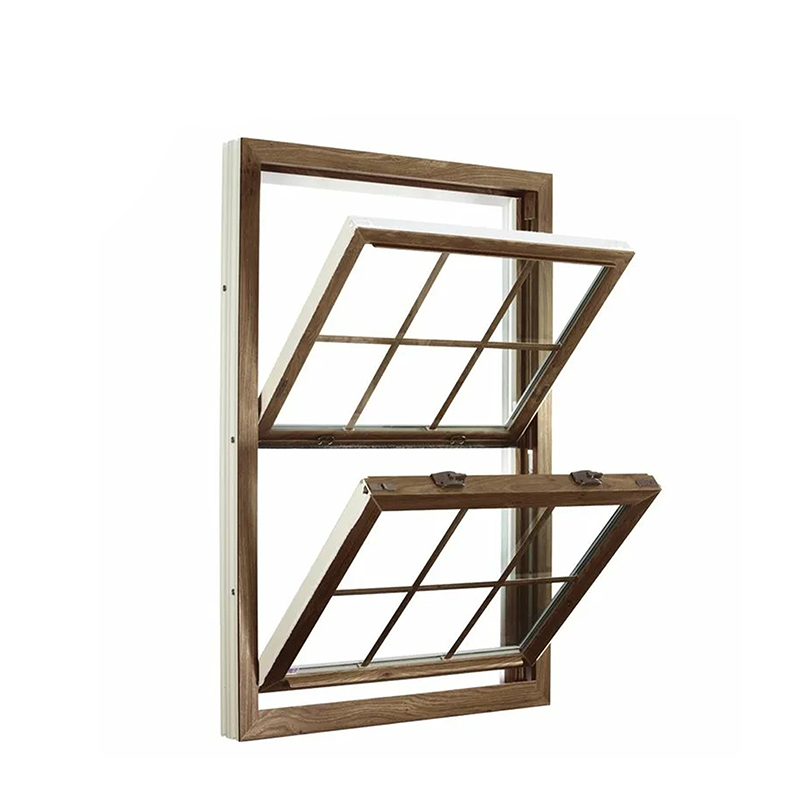
The primary operational advantage of dual-operable sashes is the complete elimination of exterior access requirements for routine cleaning. Modern units feature tilt-in latches located on the top rail of both sashes. By disengaging these latches, the user can tilt the sash inward, resting it horizontally inside the room. This mechanical feature fundamentally transforms double hung window cleaning from a hazardous exterior chore into a safe interior task.
For property managers overseeing multi-story buildings, this eliminates the need for exterior ladders, scaffolding, or boom lifts. The time-saving metrics for high-end building maintenance are substantial. Cleaning a second-story window from the outside requires setting up a ladder, securing the area, climbing with cleaning supplies, and repositioning the ladder for every single window. Performing this same task from the inside reduces the labor time per window drastically. At scale, this operational efficiency slashes annual maintenance labor hours.
To maximize efficiency, maintenance crews follow a specific interior cleaning protocol for dual-sash units:
Many modern single-hung units feature a tilt-in bottom sash for easier interior access. However, this only solves half the problem. The top glass remains permanently fixed. To clean the exterior of the top sash, you must either reach your arm awkwardly through the open bottom section or access the glass from the outside. Reaching through the bottom opening is often impossible depending on the window's height and the user's physical reach.
This fixed top glass mandates exterior ladders or scaffolding for complete cleaning on upper levels. The logistical challenges and safety risks associated with cleaning upper-level fixed sashes demand serious consideration. Falls from ladders remain a leading cause of maintenance-related injuries. Property owners must factor in the physical risk and the potential need to hire specialized exterior cleaning crews when specifying single-hung units for second or third stories.
Furthermore, single hung window maintenance involves specific challenges regarding track clearing. While it is easy to access and vacuum the bottom track where the operable sash rests, clearing debris from the upper fixed channels is difficult. Dust, pollen, and spider webs accumulate in the upper exterior corners of the master frame. Because the top sash cannot be moved or tilted, removing this debris often requires specialized tools, compressed air, or exterior power washing.
The table below illustrates the operational friction between the two window styles during routine maintenance:
| Maintenance Task | Single-Hung Windows | Double-Hung Windows | Labor Impact |
|---|---|---|---|
| Ground Floor Cleaning | Exterior access required for top sash. | 100% interior access via tilt-in sashes. | Low impact. Ground access is simple for both. |
| Upper Floor Cleaning | Requires ladders, scaffolding, or boom lifts. | 100% interior access via tilt-in sashes. | High impact. Double-hung saves significant labor hours. |
| Track Vacuuming | Bottom track easily accessible; top track restricted. | Both tracks fully accessible when sashes are tilted. | Medium impact. Double-hung allows thorough debris removal. |
| Balance Replacement | Only one set of balances to service. | Two sets of balances to service. | Medium impact. Single-hung requires less mechanical troubleshooting. |
Opening both the top and bottom sashes simultaneously creates a highly efficient convective airflow loop. Thermodynamics dictate that warm air rises. Inside a home, stale, warm air accumulates near the ceiling. By lowering the top sash, this warm air is given an escape route. Simultaneously, raising the bottom sash allows cooler, fresh exterior air to be drawn into the room. This natural vacuum effect cycles the air much faster than opening a single bottom sash.
This superior ventilation is critical for moisture management. Ventilated double hung windows actively purge humid indoor air generated by cooking, showering, and human respiration. High indoor humidity levels lead directly to condensation forming on the interior glass surfaces. This happens frequently during colder months when the glass temperature drops below the indoor dew point.
By rapidly exchanging humid indoor air with drier outdoor air, the convective loop directly reduces condensation. Mitigating this moisture is essential for protecting the surrounding building envelope. Chronic condensation pools on the window sill. It eventually degrades wood framing, peels paint, and creates an ideal environment for toxic mold growth. Active moisture management through dual-sash ventilation preserves the structural integrity of the window opening over time.
The structural advantage of the single-hung fixed top sash becomes apparent in high-wind zones. Because the top glass is glazed directly into the master frame, there is no weatherstripping seam to fail under heavy wind loads. The continuous seal around the top half of the window inherently provides a lower air infiltration rate compared to an operable sash. In coastal areas or regions prone to severe storms, this fixed barrier offers superior baseline resistance against wind-driven rain.
However, you must address the performance gap between modern manufacturing and legacy designs. Specifying premium, airtight double-hung windows virtually eliminates the efficiency advantage of single-hung units for daily living. High-end manufacturers utilize advanced interlocking meeting rails, multi-chambered frame extrusions, and compression-style weatherstripping to achieve exceptional air infiltration ratings.
When contrasting modern double-hung weatherstripping technologies against single-hung units, property owners must evaluate their priorities. Does the pursuit of an absolute maximum seal justify the loss of maintenance convenience and ventilation? For a rarely used room on the ground floor, a single-hung unit makes sense. But for primary living spaces, the negligible difference in airtightness provided by a premium double-hung unit is heavily outweighed by the daily operational benefits.
Aluminum frames offer incredible structural rigidity and narrow sightlines, but they require specific upkeep protocols. Unlike vinyl, aluminum is highly conductive. Modern aluminum frames utilize a thermal break—a polyamide strut inserted between the interior and exterior metal extrusions—to prevent heat transfer. Routine maintenance must include thermal break inspections to ensure the structural integrity of this barrier remains intact and free from moisture penetration.
Corrosion resistance checks are also mandatory. While aluminum does not rust like steel, it can oxidize or suffer from galvanic corrosion if it comes into contact with dissimilar metals. Inspecting the frame for pitting or chalky white oxidation is a critical part of maintaining single hung aluminum windows. Coastal environments require more frequent fresh-water washdowns to remove corrosive salt deposits.
Lubrication requirements for aluminum tracks differ from other materials. You must prevent metal-on-metal binding of the single operable sash. Heavy greases or oil-based lubricants should never be used. They attract dust and grit, creating an abrasive paste that grinds down the track. Instead, maintenance protocols dictate the use of dry PTFE (Teflon) or silicone-based sprays. These provide a slick, dry surface that allows the bottom sash to glide effortlessly without accumulating debris.
Common maintenance checks for aluminum frames include:
The maintenance profile shifts when dealing with dual-operable aluminum units. Aluminum sashes, especially those fitted with double or triple-pane insulated glass units, are heavy. This heavier sash weight places significant continuous stress on the dual balance mechanisms. Over a 15 to 20-year lifecycle, the springs or pulleys supporting these heavy metal sashes will experience fatigue.
Evaluating the impact of this weight means establishing a proactive hardware replacement schedule. Property managers must monitor the sashes for drift. Drift is a condition where the open sash slowly slides downward because the balance can no longer support its weight. Upgrading to commercial-grade constant force balances during the initial specification phase extends the lifespan of double hung aluminum windows significantly. These heavy-duty coils handle the weight of metal sashes far better than standard block-and-tackle systems.
Surface finish preservation is another critical maintenance factor. Custom residential aluminum windows frequently feature premium anodized or powder-coated finishes. These finishes are durable but can be permanently scratched by abrasive cleaners or rough scrubbing pads. Routine sash maintenance requires specific, non-abrasive cleaning agents and microfiber cloths to protect the architectural finish while removing environmental pollutants.
The primary risks in double-hung units stem from their mechanical complexity and higher operational frequency. Because both sashes move, the weatherstripping experiences twice the friction and compression cycles. Over time, this leads to weatherstrip flattening, reducing the effectiveness of the air seal. The constant movement increases the likelihood of balance spring fatigue and sash drift.
Mitigation strategies must be implemented at both the specification and operational levels. First, specify commercial-grade hardware. Heavy-duty zinc cam locks, stainless steel pivot pins, and high-capacity coil balances resist wear far better than standard builder-grade components. Second, establish annual track clearing protocols. Vacuuming the jamb channels and applying dry silicone spray prevents the balances from working against unnecessary friction.
Verify warranty coverage on all moving parts before purchase. A robust manufacturer warranty that covers balance mechanisms and weatherstripping for at least ten years provides a safety net against premature mechanical failure. Proactive maintenance combined with high-quality hardware neutralizes the inherent risks of the complex dual-sash design.
Comparing the conceptual trade-offs requires looking beyond the initial procurement phase. Single-hung units generally present a lower upfront capital requirement. They require less hardware, less weatherstripping, and less assembly time at the factory. However, this initial advantage is frequently consumed by higher long-term labor requirements for exterior maintenance and cleaning, especially on multi-story structures.
High-end building maintenance professionals evaluate fenestration based on labor hours. Setting up extension ladders, navigating landscaping obstacles, and working at height requires two-person crews for safety compliance. The time saved per unit with double-hung windows scales dramatically across large custom residential builds. Allowing a single maintenance worker to clean all upper-story glass from the interior floor reduces annual cleaning labor significantly.
The absolute maximum seal priority of a single-hung window holds value for rarely-used rooms or ground-floor applications where exterior access is trivial. For primary living spaces on upper floors, the labor efficiency and safety benefits of dual-operable sashes deliver superior long-term value. The reduction in ongoing maintenance hours entirely offsets the slightly higher initial procurement requirements.
Double-hung windows offer superior returns regarding maintenance accessibility and ventilation control. The ability to clean exterior glass safely from the interior and purge humid air through convective looping makes them indispensable for upper floors. Conversely, single-hung windows provide a slight edge in mechanical simplicity and baseline weather resistance due to their fixed top sash and fewer moving parts. Shortlisting logic should be dictated by placement and usage. Recommend single-hung units for ground-floor installations or rarely used rooms where absolute maximum airtightness is the sole priority. Recommend double-hung units for upper floors, high-end builds, and environments requiring active moisture management.
To finalize your specifications, execute the following next steps:
A: Double-hung windows have more moving parts and weatherstripping seams, which theoretically increases the potential for air leaks over time. However, high-quality modern manufacturing minimizes this gap. Premium double-hung units utilize advanced interlocking meeting rails and compression weatherstripping, making them virtually as airtight as single-hung units for daily residential use.
A: Balance mechanisms typically last 10 to 20 years, depending on usage frequency and sash weight. Heavy aluminum sashes with triple-pane glass put more strain on the springs than lightweight vinyl sashes. Upgrading to commercial-grade constant force balances during installation significantly extends their operational lifespan.
A: Yes, many newer single-hung models feature a bottom sash that tilts inward for easy interior cleaning. However, the top exterior glass remains permanently fixed and inaccessible from the inside. You must still use a ladder or clean the top sash from the exterior of the building.
A: Yes. Opening the top and bottom sashes simultaneously creates a convective loop. Warm, stale indoor air escapes through the top opening, while fresh outdoor air is drawn in through the bottom. This rapid air exchange mechanism actively reduces indoor pollutants, odors, and excess humidity.
A: The physical weight of the aluminum sash is identical regardless of the window style. While dual-operable units have two heavy sashes, commercial-grade balance systems are engineered to counteract this specific weight. Properly calibrated balances negate the operational weight difference, allowing both sashes to glide smoothly.
A: A bi-annual maintenance schedule is recommended. This includes vacuuming the tracks to remove grit, applying a dry silicone-based lubricant to the jamb guides, and inspecting the weatherstripping. The aluminum finish should be cleaned with mild, non-abrasive soap and water to prevent oxidation and protect the powder coating.
A: Double-hung windows are strongly recommended for second-story bedrooms. They eliminate the need for dangerous exterior ladders during routine glass cleaning. Additionally, the dual-sash ventilation provides superior airflow and moisture control, which is highly beneficial for daily living and maintaining a comfortable indoor environment.


