
Views: 0 Author: Site Editor Publish Time: 2025-11-15 Origin: Site


In modern architecture and home improvement, energy efficiency has become a priority. Homeowners are increasingly seeking ways to reduce utility bills, minimize environmental impact, and maintain indoor comfort year-round. Windows play a critical role in this equation, as they are one of the largest areas of potential energy loss in a building. Among the many window styles available, casement windows are often highlighted for their energy efficiency, functionality, and aesthetic appeal. But are casement windows truly more energy-efficient than other types of windows? Let’s explore this topic in depth.
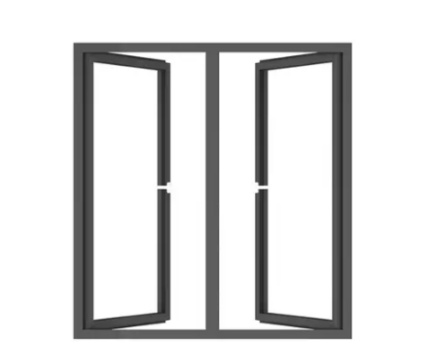
Casement windows are hinged at the side and open outward like a door, operated with a crank or lever. They are popular for both residential and commercial applications due to their versatile design and ability to provide unobstructed views. Casement windows can be installed as single units or combined in pairs, often with a fixed window for enhanced aesthetic appeal.
Some key features include:
Full opening: Allows maximum ventilation and natural airflow.
Tight sealing: When closed, the sash presses against the frame, creating a secure seal that minimizes drafts.
Variety of materials: Available in wood, aluminum, uPVC, or fiberglass, allowing for customized thermal performance and maintenance needs.
Windows are a critical component of a building’s thermal envelope, and their performance can have a substantial impact on both energy consumption and indoor comfort. Poorly insulated or improperly installed windows are often a major source of heat loss during the winter and unwanted heat gain in the summer. This not only increases the energy demands on heating, ventilation, and air conditioning (HVAC) systems but also leads to uneven indoor temperatures, drafts, and cold spots.
During winter, windows that are not properly sealed or insulated allow warm indoor air to escape, resulting in higher heating requirements. In the summer, poorly performing windows can let solar heat penetrate indoors, forcing cooling systems to work harder. According to studies, traditional single-pane windows can lose up to 25–30% of a home’s heat, significantly affecting energy bills and overall efficiency.
Inefficient windows directly contribute to higher utility costs. When HVAC systems need to compensate for heat loss or gain, energy consumption rises, creating financial and environmental burdens. Homeowners may also notice temperature fluctuations, making living spaces less comfortable. Over time, these inefficiencies not only increase operational costs but also strain equipment and shorten its lifespan.
Energy-efficient windows play a crucial role in maintaining consistent indoor temperatures. By reducing drafts and thermal bridging, they create a more stable and comfortable living environment. Occupants enjoy a warmer home in winter, a cooler interior in summer, and fewer cold spots near window areas. Properly performing windows also improve sound insulation, adding an extra layer of comfort.
Casement windows stand out for their natural energy-saving advantages. Their design and operational mechanics contribute to superior performance in thermal insulation and air tightness.
A primary factor in window energy efficiency is how well the frame and sash prevent air leakage. Casement windows excel here because the sash is hinged at the side and opens outward. When closed, the sash presses firmly against the frame, creating a compression seal. Unlike sliding or double-hung windows, which rely on friction or alignment along rails, casement windows offer nearly airtight closure. This significantly reduces drafts, minimizes heat loss, and improves the overall energy performance of a building.
Modern casement windows are compatible with advanced glazing technologies that enhance insulation. Double- or triple-pane glass, often filled with inert gases like argon or krypton, provides high thermal resistance. Low-emissivity (Low-E) coatings reflect infrared heat, keeping indoor spaces cooler in summer and warmer in winter. This combination of airtight design and insulated glazing reduces heat transfer, decreasing the workload on HVAC systems and leading to measurable energy savings.
Casement windows can be strategically positioned to control the amount of sunlight entering a space. With energy-efficient glazing, they allow ample natural light while minimizing unwanted solar heat gain. This is particularly valuable in warmer climates or sun-exposed areas, where excess heat can drive up cooling costs. Sunshades, blinds, or external overhangs can further enhance this benefit.
Unlike fixed windows, casement windows open fully, allowing for precise control over airflow. This feature enables homeowners to optimize natural ventilation and reduce reliance on mechanical cooling or heating. During cooler months, opening windows for cross-ventilation can help maintain comfortable indoor temperatures without using energy-intensive systems, further contributing to energy efficiency.
When evaluating energy performance, it’s important to consider how casement windows stack up against other commonly used window styles.
Sliding windows operate by moving horizontally along a track. While they are popular for their simplicity and ease of use, sliding windows often develop small gaps in their tracks over time, which can compromise air tightness. These gaps allow drafts and heat transfer, reducing overall energy efficiency. In contrast, casement windows feature a compression seal along the sash, pressing tightly against the frame when closed. This design creates a more secure barrier against air infiltration, making casement windows generally superior in preventing heat loss and maintaining indoor temperatures.
Double-hung windows have vertically sliding sashes, which can make them convenient for adjustable ventilation. However, the meeting rails—where the upper and lower sashes overlap—are prone to small leaks and drafts. These minor imperfections, although subtle, can accumulate over time and reduce energy efficiency. Casement windows avoid this issue, as the side-hinged sash presses uniformly against the frame, providing a consistent, airtight seal.
Fixed windows are non-operable and therefore naturally airtight, offering excellent insulation and minimal heat transfer. However, their lack of ventilation can be a limitation in spaces where airflow is desired. Casement windows offer a unique advantage by combining the energy efficiency of a tight seal with the flexibility of full opening for natural ventilation, creating a balance between comfort and performance.
Energy performance varies even among casement windows. Understanding the influencing factors helps homeowners make informed decisions.
Wood Frames: Offer excellent natural insulation but require regular maintenance to prevent degradation and warping.
Aluminum Frames: Durable but conductive; thermally broken aluminum frames can reduce heat transfer.
uPVC and Fiberglass Frames: Low thermal conductivity, minimal maintenance, and high energy efficiency.
Even the highest-performing window cannot achieve optimal efficiency if installed poorly. Proper sealing, flashing, and insulation around the frame are critical. Gaps, misalignment, or improper caulking can compromise performance, allowing heat loss and air leakage.
The type of glazing plays a significant role in thermal performance:
Double or Triple Pane: Multiple layers of glass with insulating gas fill reduce thermal conductivity.
Low-E Coatings: Reflect infrared heat while maintaining visible light transmission.
Gas Fills: Argon or krypton between panes increases thermal resistance and reduces convection.
High-quality weatherstripping ensures the seal remains effective over years of use. Durable materials withstand repeated opening and closing, preventing air infiltration and maintaining energy efficiency.
Larger windows can allow more natural light but may also contribute to heat gain or loss. South- or west-facing casement windows can benefit from shading devices to balance daylight and thermal performance.
Studies indicate that high-performance casement windows can reduce energy consumption by 10–25% compared to older, single-pane or poorly sealed windows. The exact savings depend on factors such as:
Climate zone
Window size and orientation
Quality of installation
Type of heating and cooling system
For homeowners, this translates into lower utility bills, improved comfort, and a smaller carbon footprint.
Beyond energy savings, casement windows offer:
Unobstructed views due to minimal frame interference.
Enhanced natural ventilation, making indoor environments healthier.
Design versatility: Available in various shapes, sizes, and finishes to complement modern or traditional architecture.
Easy operation: Crank mechanisms allow smooth opening and closing, suitable for hard-to-reach areas.
Choose double or triple-pane casement windows with Low-E coatings.
Ensure proper installation by certified professionals.
Use durable weatherstripping and replace worn seals promptly.
Consider frame materials with low thermal conductivity.
Pair with curtains, blinds, or shades to further reduce heat loss or gain.
Energy-efficient casement windows not only reduce household costs but also contribute to environmental sustainability. By lowering energy consumption for heating and cooling, homeowners decrease their reliance on fossil fuels and reduce greenhouse gas emissions.
Casement windows are an excellent choice for energy-conscious homeowners. Their tight seals, compatibility with advanced glazing technologies, and design versatility make them highly effective in improving energy efficiency, reducing utility costs, and enhancing indoor comfort.
If you are considering upgrading your windows or building a new home, investing in high-quality casement windows can provide long-term benefits. For more information and to explore a wide range of energy-efficient options, you can visit Foshan SUNGYE Doors and Windows Co., Ltd.. This company offers expert guidance and innovative window solutions suitable for modern homes and commercial spaces.


