
Views: 0 Author: Site Editor Publish Time: 2026-03-23 Origin: Site


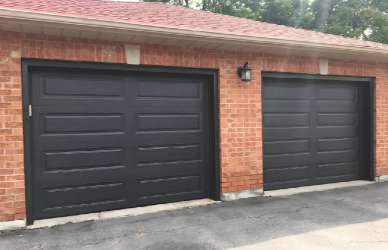
When it comes to selecting a heavy-duty garage door, the material you choose plays a critical role in its performance, durability, security, and appearance. Whether you're looking for a robust option to withstand harsh weather, enhance the curb appeal of your home, or ensure maximum security, the material you select will make all the difference. In this article, we will explore the best materials for heavy-duty garage doors, considering their strengths, weaknesses, and benefits.
Steel is undoubtedly the most commonly used material for heavy-duty garage doors. Known for its strength and durability, steel can stand up to the toughest conditions and offers a variety of benefits.
Steel is an excellent choice for those who prioritize durability and strength. It’s naturally resistant to damage from impacts, making it ideal for areas prone to heavy winds or harsh weather conditions. Whether you're facing hail storms, high winds, or even minor collisions, steel garage doors can withstand a significant amount of force without warping or breaking. This makes them particularly popular for homes in regions with frequent inclement weather.
Steel garage doors are also resistant to common wear and tear, including rusting, cracking, or warping. With proper maintenance, steel doors can last for many years, making them an investment that pays off in the long run.
Another advantage of steel is its minimal maintenance requirements. While wooden doors might need regular painting or staining to prevent rot and weather damage, steel doors typically only need occasional cleaning. Modern steel garage doors are often coated with a protective layer to prevent rust, and these coatings can be maintained with minimal effort.
Steel doors are available in various thicknesses, so you can choose the level of durability that suits your needs. The thicker the steel, the stronger and more secure the door. Some steel doors are even insulated, offering energy-efficient properties to help maintain a stable temperature inside the garage.
Aluminum is another popular material for heavy-duty garage doors, especially for those seeking a lightweight yet durable option. Although aluminum may not be as strong as steel, it offers its own unique set of advantages.
One of the most significant benefits of aluminum is its natural resistance to rust and corrosion. This makes it an ideal choice for homes located in areas with high humidity, coastal environments, or regions with salty air. Unlike steel, which can rust if the protective coating is damaged, aluminum doors require less maintenance in coastal areas. The resistance to corrosion ensures that aluminum doors can maintain their structural integrity and appearance for many years.
If you live near the coast, aluminum is the material of choice for your garage door. Coastal environments are often harsh on metal due to the salt in the air, which can quickly degrade materials that are prone to rust. Aluminum, on the other hand, is not susceptible to this kind of damage. This makes it a perfect fit for coastal homes or properties exposed to humid conditions.
Aluminum doors are also very lightweight, making them easier to operate and reducing wear on the opener mechanism. This can lead to a longer lifespan for both the door and the opener.
Fiberglass is another strong contender for heavy-duty garage doors, especially for homeowners who want an insulated door that provides high durability while being low maintenance.
Fiberglass doors are often equipped with excellent insulation, which helps maintain a stable temperature inside the garage. This can be particularly beneficial for homeowners who use their garage as a workshop, home gym, or even living space. Insulated fiberglass doors reduce energy loss, helping to keep heating and cooling costs down.
Fiberglass doors are available in various styles, including those that mimic the appearance of wood. This allows you to enjoy the aesthetic of natural wood without the maintenance required for actual wood doors.
Fiberglass is highly resistant to dents, scratches, and damage from impacts, making it a great option for those who need a door that can withstand rough conditions. The material is durable and doesn’t crack or warp over time. Unlike wood, fiberglass is not susceptible to rot or insect damage. The combination of strength, durability, and low maintenance makes fiberglass a long-lasting and reliable option for heavy-duty garage doors.
Fiberglass doors also offer excellent resistance to fading, which is important for maintaining their appearance, especially in areas with high sunlight or exposure to extreme temperatures.
Wooden garage doors offer timeless elegance and a natural aesthetic that is hard to replicate with other materials. However, while wood can be a beautiful addition to your home, it comes with some specific maintenance requirements.
The primary appeal of wooden garage doors is their classic look. They can be customized with various wood finishes, styles, and details that add warmth and charm to your home’s exterior. Wooden doors are particularly popular for luxury homes or those with a traditional architectural style. The natural beauty of wood is hard to match, and it can greatly enhance curb appeal.
While wooden doors are strong, they require regular maintenance to keep them in optimal condition. Wood is susceptible to environmental factors like moisture, which can cause it to warp or rot over time. In regions with extreme weather, wooden doors may require more attention to prevent damage from rain, snow, and humidity.
To mitigate these issues, it’s essential to seal and treat the wood regularly. A well-maintained wooden door can last for many years, but it requires more work than other materials like steel or fiberglass.
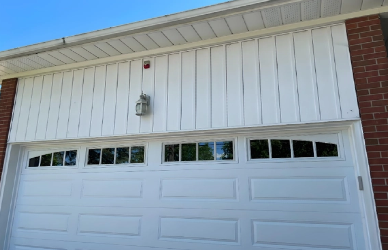
Vinyl garage doors are often overlooked but offer a practical and affordable solution for homeowners seeking a durable and low-maintenance door. They are a great option for heavy-duty use while keeping costs relatively low.
Vinyl is known for its durability and resistance to impact. Unlike wood, which can easily dent, vinyl doors are able to withstand minor collisions without showing damage. This makes vinyl a popular choice for families with children or homeowners who expect their garage door to endure rougher handling.
Vinyl doors are also resistant to cracking, which is a common issue with other materials exposed to cold temperatures. This makes vinyl an excellent choice for homes located in colder climates where the door might be exposed to freezing temperatures.
Vinyl doors are one of the most budget-friendly options for heavy-duty garage doors. They offer a good balance of durability, insulation, and low maintenance at an affordable price point. While they may not have the aesthetic appeal of wood, vinyl doors are available in various colors and textures that can still enhance your home's appearance without breaking the bank.
Composite materials combine the best of multiple materials to offer an option that is both durable and aesthetically pleasing. These doors are made from a blend of wood fibers, plastic, and other synthetic materials, creating a robust yet attractive option for homeowners.
Composite garage doors combine wood and synthetic materials, offering the aesthetic appeal of wood with the durability and low maintenance of other materials like vinyl or fiberglass. This makes them an ideal choice for those who want the classic look of wood without the associated upkeep.
These doors are also resistant to rot, warping, and insect damage, ensuring they remain looking great for years without the need for frequent repairs.
Composite doors are known for their low maintenance requirements. Unlike wood, composite doors do not need to be sealed or treated regularly. They are resistant to many of the issues that affect wood, such as moisture damage or cracking, making them an excellent long-term investment.
Steel is the top choice for high-security garage doors due to its strength, impact resistance, and durability. It's ideal for homes in areas prone to break-ins or extreme weather.
Wooden doors require regular painting or staining to prevent rot and weather damage. They also need periodic sealing to protect against moisture and prevent warping.
Yes, fiberglass doors offer excellent insulation, making them ideal for maintaining a stable temperature in the garage and improving energy efficiency.
Vinyl is typically the most affordable option. It offers durability, impact resistance, and low maintenance at a relatively lower cost compared to materials like steel or wood.
Choosing the right material for your heavy-duty garage door depends on a variety of factors, including the climate, your budget, and the level of maintenance you're willing to commit to. Steel and aluminum are strong contenders for those looking for durability and resistance to harsh weather, while fiberglass offers excellent insulation and low maintenance. Wooden doors provide timeless elegance but require more upkeep, whereas vinyl and composite materials offer affordability and durability with minimal care.
Ultimately, the best material for your heavy-duty garage door will depend on your personal needs and preferences. By considering the pros and cons of each material, you can make an informed decision that enhances the security, appearance, and performance of your garage door.


