
Views: 0 Author: Site Editor Publish Time: 2026-03-16 Origin: Site


Garage doors are often overlooked when it comes to home security, but they can be an easy target for thieves. In fact, many burglars gain access to homes simply by breaking into the garage, which leads to a full-fledged invasion of the rest of the house. This article will explore common vulnerabilities in garage doors, how to enhance their security, and why regular maintenance and upgrades are essential for keeping your home safe.
Most garage doors are designed for convenience, but in doing so, they sometimes neglect crucial security features. Knowing the weaknesses of a typical garage door can help you address them effectively and safeguard your home.
Traditional garage doors usually come with simple locks or latches, but they aren't very secure. Thieves can easily bypass these entry points, particularly if they’re using tools like lock-picks or even bump keys.
Type of Lock | Security Risk | Alternative |
Standard Lock | Easily bypassed with basic tools | Deadbolts, security padlocks |
Latch Mechanism | Can be forced open by hand | Reinforced locks, keypads |
While these locks can serve the basic purpose of preventing casual access, they are often not sufficient for thwarting a determined thief.
Many people use automatic garage door openers, but outdated or poorly secured openers can be a significant security risk. Older models may not feature encryption or robust signals, making them vulnerable to hacking or signal jamming. Even modern systems with weak passwords can be hacked by criminals using code scanners or transmitters.
Signal Jamming: Thieves can use signal jammers to prevent the garage door from closing properly, leaving it open for easy access.
Hacking: Older systems without encryption are easy targets for thieves using cheap scanning devices.
Physical Bypass: Thieves can manipulate the internal components of automatic openers to force the door open.
Another common vulnerability lies in the materials used in your garage door. Lightweight or poorly constructed garage doors can be easily broken or pried open. Thieves may break the glass on a window, or use brute force to push through weak sections, gaining access to your garage.
Material Type | Vulnerability | Recommendation |
Thin Aluminum | Easily bent or broken | Use steel or reinforced fiberglass |
Single-Paned Glass | Breakable with a rock or tool | Use laminated or tempered glass |
Plastic or Light Wood | Can be pried open | Opt for solid steel doors |
Garage doors with reinforced steel or durable materials are much more difficult to break into, thus providing a stronger physical barrier against intruders.
Now that we understand the vulnerabilities, let’s look at practical ways to improve the security of your garage door and enhance your home’s overall safety.
Upgrading to a smart garage door offers many advantages. Modern smart doors come with features that directly address the security flaws of traditional models, such as real-time monitoring, remote control, and automatic closing.
Remote Monitoring and Control: With a smartphone app, you can open or close your garage door remotely, ensuring it’s always secure. Many apps also allow for real-time alerts if the door is opened unexpectedly.
Auto-Locking and Closing Features: Some smart doors automatically lock when closed, making it difficult for thieves to open them. Additionally, auto-close features ensure that the door doesn’t remain open unintentionally.
Integration with Home Security Systems: Smart garage doors can be integrated with your home security system, allowing you to monitor your garage door from the same app you use to control your home’s security cameras, alarm system, and lighting.
Smart Garage Door Features | Benefits |
Remote Control | Open/close from anywhere via app |
Auto-Locking | Added security when door is closed |
Integration with Security Systems | Better control and monitoring |
Real-Time Notifications | Alerts for unauthorized access |
Another critical step in securing your garage door is to upgrade the locking mechanism. Instead of relying on a standard lock, consider installing deadbolts, reinforced locks, or even a security padlock. These types of locks are much more difficult for thieves to bypass.
Security Padlocks: For added security, install heavy-duty security padlocks that are resistant to cutting and picking.
Reinforced Deadbolts: These provide an extra layer of protection against forced entry.
Keypad Entry: A keypad entry system allows you to control access to your garage without needing traditional keys, and it’s much harder to pick or bypass.
Security cameras and motion detectors can act as an excellent deterrent against potential burglars. By installing cameras around your garage, you’ll be able to monitor any suspicious activity in real-time. Additionally, motion sensors connected to lights or alarms can trigger an alert whenever someone tries to tamper with the door.
Security Feature | Purpose | Recommendation |
Surveillance Cameras | Monitor and capture footage | Place at key access points |
Motion Detectors | Detect unusual movement near door | Trigger lights or alarm system |
Smart Sensors | Integrate with home security | Get notifications for unauthorized entry |
Adding sensors and alarms to your garage door system can make it more secure. Sensors can detect when the door is tampered with, and alarms can alert you instantly if there's an intrusion attempt.
Motion Sensors: Detect unauthorized movement near the garage door and activate an alarm or send an alert to your phone.
Force Sensors: These sensors can detect unusual pressure, such as when someone is trying to pry open the door.
Sound Sensors: Recognize the noise of forced entry, such as glass breaking or metal being cut, and trigger a security alarm.
When integrated with your home security system, sensors and alarms provide an added layer of protection, ensuring you stay informed of any security breaches.
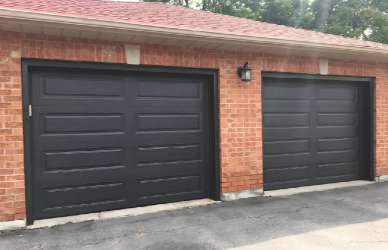
Even the most advanced garage door security systems require regular maintenance. It’s essential to check your garage door’s security features frequently to ensure they are functioning properly.
Check for Wear and Tear: Over time, locks, sensors, and openers may degrade, leaving your garage door vulnerable.
Test Your Automatic Door Opener: Ensure that your automatic opener’s signal is encrypted and secure.
Inspect the Physical Condition: Look for signs of wear, such as loose bolts or cracks in the door material, and repair them promptly.
Maintenance Task | Purpose | Frequency |
Inspect Locks and Latches | Ensure they are functional and secure | Monthly |
Test Automatic Opener’s Security | Check for encryption and signal strength | Every 3 months |
Examine Physical Integrity | Look for damage to the door | Bi-annually |
By regularly maintaining your garage door, you can ensure that all security features are working optimally, helping to keep your home protected.
Thieves can bypass traditional garage door openers in several ways. They might exploit weak signals emitted by older models, use signal jammers to block communication between the opener and the remote, or even hack into systems that lack proper encryption. Outdated openers that don’t use secure communication methods are particularly vulnerable. Upgrading to a modern, encrypted, smart garage door opener can significantly reduce the risk of unauthorized access.
While security cameras can act as a deterrent and help capture evidence in case of a break-in, they are not enough on their own to fully secure your garage door. To enhance security, it’s best to combine cameras with motion detectors and smart sensors. Motion detectors can trigger lights or alarms when unauthorized movement is detected, and sensors can alert you if someone tries to tamper with or force open the door. This multi-layered approach provides immediate alerts and greater protection.
When choosing a lock for your garage door, deadbolts and security padlocks are the most effective options. These types of locks are much more difficult to bypass or tamper with compared to standard locks or latches. Deadbolts, in particular, offer a strong physical barrier, while security padlocks are designed to resist cutting or picking. For maximum security, it’s best to choose locks that are reinforced and tested to withstand forced entry attempts.
It’s important to perform regular checks on your garage door’s security features to ensure everything is functioning properly. Ideally, you should inspect your garage door’s security system at least once a month. During these checks, make sure that locks, sensors, and your automatic opener are in good working condition, and test the system’s security features. Regular maintenance ensures that your garage door remains secure and can prevent wear and tear that could compromise its safety.
Securing your garage door is a crucial step in protecting your home from potential theft. By addressing vulnerabilities like weak locks, outdated openers, and poor construction materials, you can significantly reduce the chances of a break-in. Upgrading to a smart garage door system, reinforcing locks, adding cameras, and maintaining your door regularly will further enhance its security. Don’t overlook your garage as a potential entry point for thieves — take action today to secure it and enjoy peace of mind.


