
Views: 0 Author: Site Editor Publish Time: 2026-06-03 Origin: Site


Picking new windows seems straightforward. It's not. Your choice affects your energy bills, how comfortable your home feels, even how safe your family sleeps at night. We're talking about more than just glass and frames here.
Think about it. Windows do way more than let light in. They control how air moves through your home. They keep summer heat out and winter warmth in. Bad windows? You will feel drafts, see condensation on the glass, and watch your electricity bills climb every month.
Here is what quality windows deliver:
Steady indoor temperatures - No more hot spots near the window or cold corners in winter
Quieter living spaces - Good windows block street noise effectively
Less maintenance time - Clean less often, enjoy more
Better security - Modern locking systems keep intruders out
Ever seen windows that swing outward like a small door? Those are casement windows. Many people call them "crank windows" because of how they open.
Picture a window attached to its frame with hinges on one side. That is the basic casement design. You turn a crank handle, usually at the bottom, and the whole window swings outward. The locking mechanism pulls the sash tight against the frame when closed.
Some newer models skip the crank entirely and use sliding hardware. But the basic idea stays the same - hinged windows that open outward.
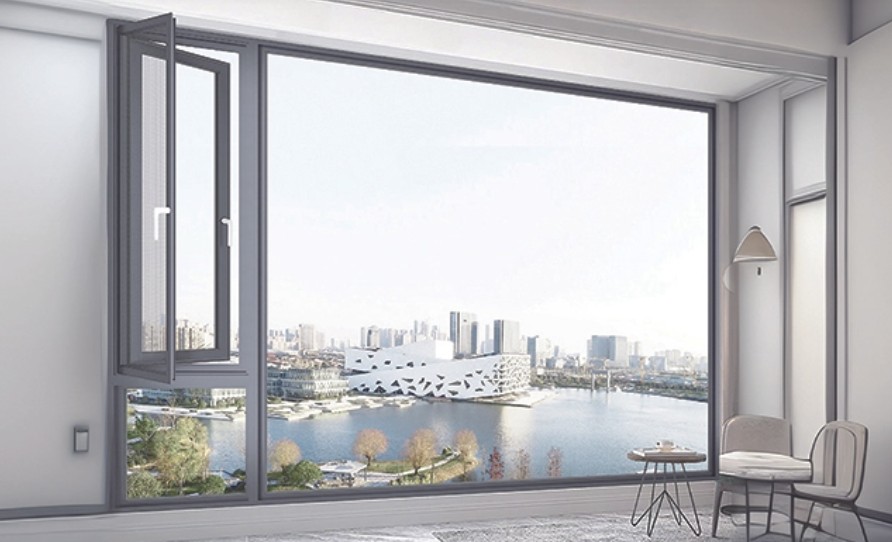
Not every window opening suits casement style. They perform exceptionally well in specific spots:
Tall, narrow openings where other window types do not fit
Above kitchen sinks where you can reach the crank easily
Bathrooms where privacy glass and good ventilation matter
Hard-to-reach areas where a crank handle saves you from stretching
SUNGYE offers casement windows in single units, double units side by side, or multiple units together for larger openings.
Here is what makes casement windows different. They open completely - a full 90 degrees outward.
What that means for your home:
Maximum airflow through the entire window opening, not just half
Easy cleaning access to both sides of the glass from inside your home
Better cross-ventilation when paired with windows on opposite walls
Catches side breezes that other window types miss entirely
On hot summer days, that full opening is a game changer. You can also reach the outside glass from inside - no ladder needed for most installations.
Think of sliding windows like glass doors for your walls. They glide sideways on tracks. No hinges, no cranks - just smooth horizontal movement.

Sliding windows run on a simple track system. Top and bottom tracks guide the window panels. Rollers or sliding shoes let panels glide smoothly. One or more movable panels slide left or right. Weatherstripping seals the gaps between panels when closed.
You simply push or pull the window panel sideways. It slides along the track to open. Some models lift out completely for cleaning.
Not all sliding windows work the same way. You have options:
Type | How It Opens | Ventilation Area |
|---|---|---|
Single Slider | One panel moves, one stays fixed | 50% of window opening |
Double Slider | Both panels can move | 50% of window opening |
Three-Panel | Center fixed, two sides slide | Varies by setup |
Single sliders cost less and work perfectly for basic ventilation needs. Double sliders give you flexibility - open either side. Three-panel designs work great for extra-wide openings where you want a larger glass area.
Sliding windows solve specific problems that casements cannot. They excel in these situations:
Wide openings where swinging windows would not fit
Tight exterior spaces with no room for a window to swing out
Walkways and patios where protruding windows would block traffic
Basements where easy operation at awkward heights matters
Modern homes where clean, horizontal lines match the architectural style
SUNGYE's sliding windows are particularly popular for homeowners who want unobstructed views and space-saving operation.
This might be the best feature of sliding windows. They stay completely flush with your wall. Always.
Benefits of flush operation:
Safe for high-traffic areas like sidewalks and patios
No weather damage to window mechanisms from wind catching them
Children cannot run into open window panels
Works perfectly in narrow side yards between houses
Allows furniture placement directly against the window
Compare that to a casement window swinging out into your garden path. Sliding windows keep everything contained. Your interior and exterior spaces stay completely clear and usable.
Let us get straight to the point. These two window types operate completely differently.
Feature | Casement Windows | Sliding Windows |
|---|---|---|
Opening method | Crank handle turns to push outward | Push or pull horizontally |
Direction | Swings outward from hinges | Glides side to side on tracks |
Effort needed | Minimal (the crank does the work) | Moderate (depends on track condition) |
One-handed operation | Yes, easily | Sometimes difficult |
The way these windows open affects your room layout, furniture placement, and even your landscaping choices.
This difference is huge. Each window type needs different clearance:
Casement space needs:
Significant exterior clearance for the window to swing out
No bushes, trees, or AC units in the swing path
Clear walkways required below and around
Cannot be placed near property lines where they would swing onto neighbor's land
Sliding space needs:
Zero exterior clearance - nothing outside matters
Interior wall space for the panel to slide into
No outdoor restrictions at all
Perfect for tight spots between buildings
Think about your specific situation. Window facing your neighbor's house just a few feet away? Sliding wins. Window opening to a spacious garden with nothing in the way? Casement works great.
Here is where casement and sliding windows truly separate. The ventilation difference is dramatic.
Casement windows are the airflow champions:
They open to 100% of the window area
The outward-opening sash catches breezes from multiple directions
The window acts like a sail to pull air inside your room
Creates strong cross-ventilation when paired with windows on opposite walls
Sliding windows are the practical choice:
Standard models open only 50% of the window area (one panel always blocks the other)
Airflow moves in one direction only
Less dramatic air movement, which some homeowners prefer
More consistent, controllable airflow that is easier to regulate
Your windows can leak money. Poor seals and inadequate insulation send your heating and cooling dollars straight outside.
Casement windows dominate the energy efficiency game. The reason is simple: the seal.
The compression seal advantage:
The window sash presses directly into the frame when closed
The locking mechanism pulls everything tight from multiple points
No gaps remain for air to sneak through
Weatherstripping gets compressed evenly around the entire perimeter
Think of it like closing a refrigerator door. That tight magnetic seal? Casement windows work similarly. They create an airtight barrier when locked.
What makes SUNGYE casement windows efficient:
Multi-chambered frames that trap insulating air pockets
Foam-filled chambers that block heat transfer
Compression locking that eliminates air gaps completely
Single-sash design with fewer places for air to leak
Sliding windows face a design challenge. They need flexible seals to slide properly. Flexibility means some air can get through.
Why sliders leak more air:
Top and bottom tracks need clearance for movement
The sliding motion wears down seals over time
The meeting rail where panels overlap creates a potential gap
Cannot achieve the same compression seal as casements
But do not write them off. Modern sliding windows perform far better than old models. Technology has improved significantly.
Efficiency upgrades that help sliding windows:
Double or triple glazing (two or three glass panes instead of one)
Low-E coatings that reflect heat back where it belongs
Argon or krypton gas fills between panes for insulation
Thermal blinds that add another insulation layer
A high-end sliding window with all these upgrades will outperform a basic casement window. The gap narrows significantly with quality products.
Nobody wants high-maintenance windows. You have better things to do than constant upkeep.
Casement windows have moving parts. Moving parts need attention. But it is not as bad as you might think.
Crank mechanism care:
Lubricate twice yearly - spring and fall
Use silicone spray or light oil
Takes about two minutes per window
Prevents sticking, grinding, and hard operation
The cleaning advantage:
Casements open 90 degrees. You can reach both sides of the glass from inside your home.
No ladders needed for most windows
Clean exterior glass safely from indoors
Reach every corner of the glass easily
Perfect for second-story windows
Sliding windows keep things simpler. Fewer mechanical parts mean less can go wrong.
Track maintenance:
Vacuum tracks monthly to remove dirt and debris
Wipe with a damp cloth afterward
Apply silicone spray quarterly for smooth operation
Remove any debris immediately before it causes damage
The cleaning challenge:
This is the trade-off. Sliding windows make exterior cleaning more difficult.
The fixed pane stays in place
You need outside access to clean one side of the glass
May require ladder work for upper stories
Some models have removable sashes, but not all
Why they are still low-maintenance:
No cranks to break or wear out
No hinges to adjust over time
Locks rarely need service
Screens pop out easily for cleaning or replacement
Let us get real about time commitment:
Annual maintenance hours for a typical home:
Casement windows: approximately 3 to 4 hours for the whole house
Sliding windows: approximately 1 to 2 hours for the whole house
The bottom line: Casements need more frequent mechanical attention but make cleaning much easier. Sliders need less overall maintenance but require more effort when it is time to clean the exterior glass.
Your windows protect more than just your view. They are your first line of defense against intruders.
Casement windows make breaking in genuinely difficult. Here is why:
Multi-point locking system:
Locks engage at multiple spots around the frame
Not just one central point like sliding windows
Often three to five locking points on a single window
All locks controlled by one easy-to-use handle
A sliding window typically locks in one spot. Casements lock everywhere - top, middle, bottom. It is like deadbolting your door at multiple points.
Why burglars avoid casements:
The window pulls tight against the frame when locked - no gaps to pry open
No sliding tracks to jimmy or lift out
Hinges stay inside your home when the window is closed
Glass sits deeper in the frame, harder to access
Even when open, casements offer protection. They only open outward, so an intruder outside cannot push them in.
Sliding windows start with basic security. But you can significantly improve them with simple additions.
Standard security features:
Center lock between the two panels
Lift-out prevention clips
Track blockers available as an add-on
Ventilation locks that allow partial opening while staying secure
Security upgrades worth considering:
Pin locks that prevent the window from sliding open
Keyed locks for higher security
Security bars that block the track completely
Glass break sensors that trigger alarms
The emergency exit advantage:
Here is where sliding windows shine. They are escape-friendly.
Slide open quickly with one motion
No cranking needed in an emergency
Large opening for exiting
Work even if tracks are slightly damaged
Fire safety experts often recommend sliding windows in bedrooms. People can get out fast without fumbling with cranks in the dark or smoke.
Glass technology works for any window style. More panes equal more security and better insulation.
Glass Type | Security Benefit | Best Location |
|---|---|---|
Double-pane | Harder to break than single pane | All rooms |
Triple-pane | Maximum resistance to breakage | Ground floor, street-facing |
Laminated glass | Holds together if broken | High-risk areas, coastal regions |
Tempered glass | Shatters into safe pieces | Near walkways, bathrooms |
SUNGYE offers multiple glass options across both casement and sliding window lines, allowing you to customize security levels based on your specific needs and location.
Pros:
✓ Superior ventilation with 100% opening - no other operational window type matches this
✓ Excellent energy efficiency thanks to the compression seal
✓ Multi-point locking makes them very secure
✓ Easy exterior cleaning from inside your home
✓ Great for tall, narrow openings where other windows do not fit
✓ Clear, unobstructed views with no center rail
Cons:
✗ Higher initial cost compared to sliding windows
✗ Can obstruct exterior walkways, patios, or gardens when open
✗ Needs exterior clearance of two to three feet
✗ More mechanical parts (cranks, hinges) that may need service over time
✗ Can catch wind if left open during storms
Pros:
✓ More budget-friendly initial cost
✓ Simple push-pull operation with no cranks to break
✓ Flush operation - nothing protrudes outside
✓ Perfect for tight exterior spaces and walkways
✓ Lower annual maintenance time
✓ Clean, modern appearance that suits contemporary homes
✓ Excellent emergency exit option for bedrooms
Cons:
✗ Less energy efficient than casements (though upgrades help)
✗ Limited ventilation - only 50% of the window opens
✗ Exterior cleaning requires outside access or ladder work
✗ Tracks can collect dirt and debris over time
✗ Weatherstripping wears faster due to sliding motion
✗ Center rail partially blocks the view
Different rooms have different needs. Here is what experienced homeowners and contractors recommend:
Kitchens:
Casements win here. The crank operation is easy to use above a sink. You get maximum ventilation for removing cooking odors, steam, and smoke. The full opening allows you to clean the exterior glass easily, which matters when grease and cooking residue accumulate.
Bathrooms:
Casements are again the strong choice. Privacy glass options work perfectly. The excellent ventilation removes humidity and prevents mold growth. Higher placement is common, and the crank handle makes operation easy regardless of height.
Bedrooms:
Sliding windows have an important advantage here. They provide a quick, simple emergency exit path. No cranking required in the dark or during a stressful situation. The consistent airflow is gentle and easy to control for nighttime comfort.
Living Rooms:
Either style works. Focus on what matches your home's architecture. Traditional homes look better with casements. Modern, minimalist homes suit sliding windows. Consider your view - sliding windows offer wider glass areas with less frame obstruction.
Basements:
Sliding windows are typically the better choice. Easy operation at awkward heights or while crouching. No need to clear exterior space around the window well. Simple mechanism that tolerates basement humidity well.
Second Stories:
Casements have a significant safety advantage for upper floors. You can clean the exterior glass entirely from inside your home. No ladder work needed. The secure multi-point locking provides peace of mind.

Where you live should drive your window choice.
Hot, humid climates:
Casements win for ventilation. They catch every available breeze and exchange indoor air quickly. Removing humidity is faster. Consider impact-resistant glass if you are in a storm-prone area like coastal regions.
Cold, northern climates:
Casements again lead due to their tight compression seal. Heating costs stay lower. However, be aware that wind can catch open casements. Sliding windows offer better control in consistently windy conditions.
Coastal, windy areas:
Sliding windows have an advantage here. Nothing protrudes to catch strong winds. No hardware exposed to salt air corrosion in the same way. Both styles benefit from corrosion-resistant hardware in coastal locations - something SUNGYE specifically offers.
Mild, temperate climates:
Either style works well. Focus on other factors like budget, room use, and architectural style.
Money matters. Here is how to think about window investment.
Upfront costs:
Sliding windows generally cost less to purchase and install. You will see significant savings per window, which adds up across an entire home.
Casement windows cost more upfront. The more complex mechanism, additional hardware, and multi-point locking system add to the price.
Long-term value:
This is where the calculation gets interesting. Casement windows save money every month on energy bills. Those savings add up over time. A casement window that costs more upfront may actually cost less over ten years when you factor in energy savings.
Home resale:
Quality windows from a reputable manufacturer like SUNGYE add real value to your home. New windows typically return a strong percentage of their cost at resale. Energy-efficient models appeal to buyers who want low utility bills.
SUNGYE has been manufacturing aluminum doors and windows since 1997. With over 25 years of experience, a 25,000 square meter manufacturing base, and products exported to more than 168 countries, SUNGYE has the expertise and capacity to deliver quality windows for any project.
What SUNGYE offers:
10-year warranty on all window products
Free design customization for your specific needs
Professional on-site measurement services
Rigorous installation by trained technicians
Multi-color customization options
Short 25-day delivery time
ISO, CE, and SGS certified quality
Whether you choose casement or sliding windows, SUNGYE provides both styles in multiple series to match your home, climate, and budget.
Q1: Which window type lasts longer, casement or sliding?
Both have similar lifespans of 20 to 30 years with proper maintenance, though casements have a slight edge due to fewer track-related wear issues.
Q2: Can I mix casement and sliding windows in the same home?
Absolutely, many homeowners use casements in kitchens and bathrooms for ventilation, and sliders in bedrooms for easy emergency exit.
Q3: Which is better for coastal areas with salt air?
Sliding windows have less exposed hardware, but SUNGYE offers corrosion-resistant hardware on both styles specifically for coastal installations.
Q4: Do casement windows really save enough energy to justify the higher cost?
Yes, the energy savings typically recover the price difference within two to three years, after which casements continue saving you money.
Q5: Which window type is easier to repair if something breaks?
Sliding windows are generally easier to repair with simple DIY fixes, while casement windows may need professional service for crank or hinge issues.
Choosing between casement and sliding windows comes down to your priorities. Need maximum ventilation and energy efficiency? Casements deliver. Want an affordable, low-maintenance window with flush operation? Sliders work great.
Start by listing what matters most to you - budget, energy savings, room function, or architectural style. Then consider your specific conditions: climate, window opening dimensions, exterior space, and local weather patterns.
SUNGYE offers free design consultations and on-site measurement services to help you make the right choice. Contact SUNGYE today to discuss your window project and request a quote for quality aluminum casement or sliding windows.


