
Views: 0 Author: Site Editor Publish Time: 2026-05-22 Origin: Site


Managing indoor climate zones and operational overhead is a constant balancing act for commercial project planners and property developers. Energy-efficient building design relies heavily on selecting the correct structural fixtures to mitigate thermal gain. Windows are historically known as major points of thermal vulnerability in any building envelope. Choosing an advanced awning window configuration offers a sophisticated, engineered approach to reducing heat and optimizing modern building efficiency.
In this comprehensive guide, you will learn how the unique geometry, advanced sealing technology, and material engineering of an awning window minimize solar heat gain. We will explore practical comparisons, structural performance ratings, and ventilation mechanics that help maintain comfortable interior temperatures while lowering cooling costs.
● Installing an engineered awning window significantly reduces indoor solar heat gain through structural shading and airtight compression seals.
● Integrating low-emissivity glass and thermal breaks within the awning window frame directly lowers HVAC load and peak cooling demands.
● The outward-opening design allows for continuous, strategic ventilation to release trapped heat even during summer rainstorms.
● Selecting high-performance configurations optimizes long-term asset value and ensures strict compliance with modern energy codes.
The structural physics of a top-hinged window design provide an immediate defense against intense solar radiation. Unlike standard sliders, an awning window swings outward from the bottom, creating a natural canopy. This unique geometric orientation allows the window sash itself to deflect high-angle afternoon sun rays. By blocking direct sunlight before it strikes the interior floor area, the building experiences a measurable reduction in greenhouse heat buildup.
Beyond simple shading, the primary thermal strength of this design lies in its closure mechanism. When you crank the window shut, the heavy-duty perimeter hardware pulls the entire sash uniformly against the frame weatherstripping. This action creates a continuous, high-pressure compression seal. Traditional sliding windows rely on brush seals that allow micro-drafts, but this compression setup stops hot exterior air from leaking into cool indoor spaces.
Window Feature | Thermal Protection Mechanism | Real-World Performance Impact |
Top-Hinged Canopy | Deflects high-angle overhead solar radiation | Minimizes direct localized greenhouse effects |
Compression Sealing | Eliminates perimeter air infiltration micro-gaps | Blocks convective heat transfer into cooled rooms |
Multi-Point Locking | Secures uniform pressure across weatherstripping | Prevents structural seal failure under high wind |
Over years of heavy operational use, gravitational forces actually work to support this structural seal. The weight of the outward-swinging sash presses naturally into the frame structure when closed, which reduces the chance of warping caused by extreme exterior temperature swings. For large property developments, using these specialized window profiles on exposed western or southern facades provides a highly predictable passive cooling benefit.
Tip: Position these specialized window profiles on south- and west-facing building facades to maximize seasonal solar heat deflection.
Note: Compression seals inherently outperform friction-based brush seals over long lifecycles by eliminating air infiltration pathways.
The glass surface area represents the largest exposure point for thermal energy transfer. Equipping an awning window with low-emissivity (Low-E) glass coatings fundamentally alters how light and heat interact with the building interior. These microscopic, transparent metallic layers reflect long-wave infrared energy away from the structure while allowing visible light to pass through smoothly, keeping interiors bright but cool.
To achieve maximum heat rejection, modern architectural plans utilize multi-chambered insulated glass units (IGUs). Combining double or triple glazing with dense noble gas fills like Argon creates an invisible insulating blanket between the panes. This gas layer slows down convective heat movement within the glass unit itself, establishing a powerful barrier against harsh external air temperatures.
When sourcing materials for climate-controlled environments, procurement managers must evaluate the Solar Heat Gain Coefficient (SHGC). A lower SHGC rating means the glass assembly lets in less solar radiation. For regions experiencing prolonged high summer temperatures, selecting a low SHGC value combined with warm-edge composite spacers around the perimeter prevents thermal bridging and ensures uniform temperature control across the entire glass surface.
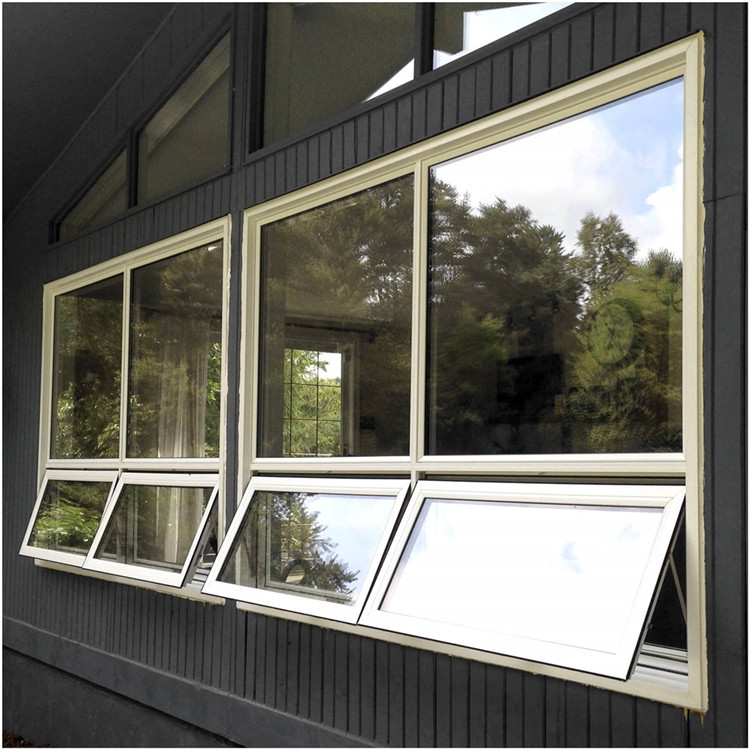
The material composition of the surrounding window frame determines whether heat will bypass the glass and seep into the interior walls. While aluminum frames offer exceptional structural strength for large-scale construction, their high natural thermal conductivity requires an engineered solution. High-performance aluminum profiles incorporate specialized thermal breaks made from reinforced polyamide materials to physically separate the exterior and interior sections of the frame.
This internal insulation barrier stops heat from traveling through the metal casing, which effectively prevents the frame from radiating heat into the building. Additionally, the interior profile of modern frames features multiple hollow chambers. These internal air pockets act as built-in insulation zones, trapping heat energy before it can penetrate the interior workspace or living area.
Investing in robust, multi-chambered frame materials also guarantees long-term dimensional stability. Extreme heat waves cause low-grade frames to expand and contract rapidly, leading to fine cracks around the caulking and structural seals. Premium engineered frames resist this thermal movement, ensuring that the critical airtight seals remain completely intact throughout decades of seasonal weather shifts.
Tip: Always verify the presence of multi-chambered thermal breaks when specifying aluminum profiles for high-temperature climates.
Passive cooling relies heavily on removing the hot air that naturally accumulates inside a room. The outward-opening design of an awning window allows for continuous convective cooling by creating a safe, controlled path for indoor air exchange. As wind passes over the exterior canopy, it helps draw stagnant indoor air out, establishing a gentle, low-velocity cross-ventilation system that lowers perceived indoor temperatures.
A distinct advantage of this specific design is its all-weather performance capability. Because the top-hinged sash projects outward like an umbrella, you can safely leave the window open during sudden summer downpours without worrying about moisture damage. This allows building occupants to purge built-up heat during rainy periods when exterior ambient temperatures drop significantly.
To optimize this effect, architects frequently utilize high-wall placement strategies to exploit the natural stack effect. Positioning a bathroom awning window or high-clearance clerestory window near the ceiling provides an immediate exit point for rising hot air. Combining these elevated units with lower intake openings establishes a highly efficient, zero-energy airflow loop that cools the entire structure naturally.
Note: Elevating the placement of top-hinged units near the ceiling line accelerates the evacuation of trapped thermal air layers.
Upgrading to high-efficiency building fixtures provides a clear economic return on investment by systematically lowering building operational costs. Installing a premium awning window system throughout a commercial facility directly shrinks the overall tonnage required for mechanical HVAC systems. When the structural envelope successfully blocks solar heat gain, cooling units do not have to work as hard to maintain a stable interior baseline.
This reduction in HVAC workload directly lowers monthly electricity bills and helps property owners dodge expensive peak-demand electrical surcharges during high-summer afternoons. Over time, reducing the daily strain on cooling machinery also extends the overall service life of the HVAC equipment, lowering long-term facility maintenance and replacement costs.
Furthermore, deploying advanced thermal-control window systems positions commercial properties for compliance with modern green building standards and international energy efficiency certifications. Buildings that feature lower overall energy consumption metrics command higher asset valuation, attract premium tenants, and satisfy strict regional environmental regulations easily.
Tip: Factor in the reduction of required HVAC equipment tonnage when calculating the total ROI of high-performance window upgrades.
Understanding how different window configurations handle high thermal loads is essential for making informed procurement decisions. Traditional sliding windows operate on recessed tracks that require loose brush seals to allow the sash to move horizontally. Over time, these brush fibers wear down, creating small air pathways that allow hot exterior air and humidity to seep inside effortlessly, driving up cooling costs.
In contrast, an awning window relies on clean compression seals that close flat against the frame, shutting down air infiltration entirely. When compared to standard side-hinged casement windows, the top-hinged geometry offers distinct localized shading advantages. A casement window opens sideways, exposing the full open window gap to direct sunlight, whereas an awning sash blocks overhead sun rays even while remaining open for fresh airflow.
This structural setup also provides superior durability under high wind-driven heat loads. Strong winds push a sliding or poorly latched window slightly off-track, causing seal failure. However, positive wind pressure against an outward-opening awning sash actually pushes the window closer to its frame, reinforcing the perimeter seal and maintaining strict thermal isolation during heavy storms.
Upgrading to an advanced SUNGYE awning window system delivers superior thermal control through airtight compression seals, smart shading designs, and top-tier glass technology. These structural features reduce solar heat gain and minimize daily HVAC load requirements effectively. Investing in these durable profiles protects your interiors from harsh summer temperatures while improving seasonal energy performance. The high-performance product lineup from SUNGYE provides exceptional material durability and reliable climate regulation for any modern building project.
A: Yes, an awning window minimizes heat by utilizing airtight compression seals and advanced thermal breaks to block external hot air.
A: A bathroom awning window provides constant ventilation to release interior steam and ambient heat while keeping outdoor moisture out completely.
A: Exterior window awnings for house setups provide manual exterior shade, but an integrated awning window offers engineered compression seals for superior thermal isolation.
A: Yes, specifying an insulated aluminum awning window frame with built-in thermal breaks eliminates structural metal heat conduction.


