
Views: 0 Author: Site Editor Publish Time: 2025-11-28 Origin: Site


Tilt and turn windows have become increasingly popular in modern homes and commercial buildings due to their versatility, security, and ease of maintenance. Unlike traditional casement or sliding windows, tilt and turn windows offer dual functionality, allowing them to open in multiple ways depending on your needs. But how do these innovative windows work, and what makes them a superior choice for both residential and commercial settings?
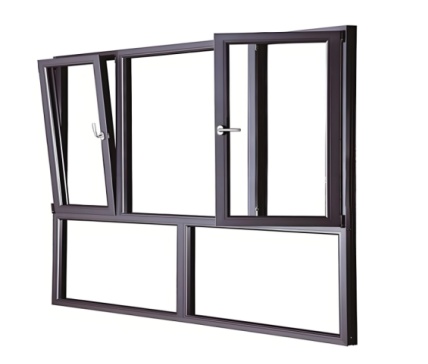
Tilt and turn windows are a type of window system commonly found in European-style buildings, particularly in Germany, Austria, and other parts of Central Europe. They are designed with a special multi-point hinge system that allows the window to operate in two distinct ways:
Tilt Function: The top of the window tilts inward, allowing for controlled ventilation without fully opening the window.
Turn Function: The entire window swings inward like a door, providing full access for cleaning, emergency egress, or maximum airflow.
This dual functionality makes tilt and turn windows highly adaptable, allowing homeowners and building managers to choose how the window operates based on weather, security, or cleaning needs.
The secret behind tilt and turn windows lies in their innovative hardware, precise hinge placement, and advanced locking mechanisms. Unlike traditional windows, which only open in a single direction, tilt and turn windows are designed to operate in two distinct ways, offering both convenience and enhanced safety. Understanding the functional mechanics of these windows helps illustrate why they have become a preferred choice in modern architecture.
When the window handle is rotated to the tilt position, the top of the window sash tilts inward while the bottom remains securely fixed. This motion is made possible by specially engineered side hinges located near the top of the sash, which allow the window to pivot slightly inward without fully opening.
Ventilation Control: Tilting the window enables controlled airflow, allowing a gentle breeze to enter the room without creating a strong draft. This is particularly useful during hot weather or in rooms that require consistent ventilation without the disruption of fully opening the window. For example, a bedroom or nursery can benefit from this feature to circulate air while keeping children safe.
Security Feature: Since only the top tilts inward, the window remains secure against potential intruders. This means you can keep windows slightly open for fresh air without worrying about compromising safety—a feature that is especially valuable for ground-floor apartments or urban homes.
Energy Efficiency: Controlled ventilation helps maintain a stable indoor temperature. By letting in fresh air gradually, tilt windows can reduce the reliance on air conditioning during mild weather, contributing to energy savings and lower utility bills.
In short, the tilt function provides a balance of comfort, safety, and energy efficiency, making it ideal for everyday use when full opening is unnecessary.
In the turn position, the window handle rotates to allow the sash to swing fully inward, much like a door. This function transforms the window into a versatile entry point with several practical benefits:
Easy Cleaning: Turning the window inward gives full access to both the interior and exterior glass surfaces, making cleaning safe and convenient without requiring ladders or external scaffolding. This is especially beneficial for multi-story buildings where exterior access can be challenging.
Emergency Egress: The turn function allows windows to act as emergency exits in case of fire or other hazards. This dual-functionality is a key safety feature for residential and commercial high-rise buildings.
Maximum Airflow: Fully opening the window provides rapid ventilation, ideal for quickly cooling rooms, eliminating stale air, or ventilating kitchens and bathrooms. The ability to switch between gentle tilt ventilation and full airflow provides unprecedented flexibility compared to traditional window systems.
The versatility of tilt and turn windows is made possible by a combination of multi-point hinges and locking systems:
Hinges: Multiple hinges are strategically placed along the vertical sides of the window sash. These allow controlled tilting at the top or a full turning motion, ensuring smooth operation without strain on the frame.
Locking Mechanism: Multi-point locks secure the window along the perimeter when closed, ensuring a tight seal. This reduces drafts, enhances energy efficiency, and prevents water infiltration during heavy rain.
Handle Positions: The handle typically has three main positions for optimal control:
Vertical: The window is fully closed and locked.
Horizontal: The window swings fully inward for cleaning, ventilation, or emergency exit.
Tilted Upward: The top of the window tilts inward for controlled airflow.
These mechanics ensure smooth operation, high security, and excellent weatherproofing, setting tilt and turn windows apart from traditional single-function designs.
The performance and durability of tilt and turn windows are highly dependent on the materials used for both the frames and the glass. Various materials offer unique benefits and can be chosen based on climate, aesthetic preference, and functional requirements.
Lightweight and Low-Maintenance: uPVC frames are resistant to rot, corrosion, and insect damage, making them ideal for humid or coastal environments.
Energy Efficiency: Excellent insulation properties help reduce heat transfer, keeping interiors warmer in winter and cooler in summer.
Cost-Effective: uPVC frames offer a balance of performance and affordability, making them one of the most popular choices for residential applications.
Strength and Durability: Aluminum is stronger than PVC, allowing for larger window sizes and slimmer frame profiles.
Modern Aesthetics: Aluminum frames offer a sleek, contemporary look, ideal for commercial spaces and modern residential architecture.
Weather Resistance: Aluminum frames withstand extreme weather conditions and require minimal maintenance, especially when coated with protective finishes.
Natural Beauty: Timber frames provide a warm, classic aesthetic that complements traditional or heritage architecture.
Insulation: Wood naturally offers good thermal insulation but requires more maintenance to prevent moisture damage.
Hybrid Options: Many manufacturers now offer aluminum-clad timber frames, combining wood’s aesthetics with aluminum’s durability and low maintenance.
Single, Double, or Triple Glazing: Depending on insulation needs, glazing options can improve energy efficiency and acoustic performance.
Low-E Coatings: Low-emissivity glass reflects heat while allowing light to pass through, improving energy efficiency in both winter and summer.
Safety Glass: Laminated or tempered glass enhances security and prevents shattering in the event of impact, making it ideal for high-rise or high-traffic areas.
By combining high-quality frames with robust hardware and advanced glass options, tilt and turn windows deliver exceptional performance, security, and aesthetic appeal. Their carefully engineered construction ensures smooth operation, tight sealing, and long-lasting durability, providing an investment that enhances both comfort and value for years to come.
Tilt and turn windows are widely preferred because they combine safety, energy efficiency, and convenience.
Multi-point locking systems make forced entry extremely difficult
Only tilting from the top allows ventilation without compromising safety
Laminated glass options increase resistance to break-ins
Tight seals prevent air leakage and reduce energy costs
Suitable for passive house standards in high-efficiency homes
Multiple glazing options help maintain indoor temperatures
Fully turning inward allows cleaning both sides from inside
Smooth operation reduces wear and tear on window components
Long-lasting hardware reduces replacement frequency
Tilt function provides gentle airflow for safety and comfort
Turn function provides full ventilation for rapid cooling or smoke ventilation
High-quality seals and multi-point locks reduce external noise
Double or triple glazing further enhances sound insulation
Sleek, contemporary frames complement modern architecture
Available in various finishes, colors, and custom designs
Aluminum-clad or hybrid materials combine aesthetics with durability
Proper installation is critical to ensure tilt and turn windows perform as intended:
Precision Fitting: The window must fit perfectly within the wall frame to ensure tight sealing.
Hardware Alignment: Hinges and locks need careful adjustment to guarantee smooth tilt and turn action.
Structural Support: Large windows may require reinforced frames or supports.
Professional Installation: Certified installers ensure warranties and performance standards are maintained.
Tilt and turn windows are versatile and can be used in:
Residential Homes: Bedrooms, kitchens, and living rooms for ventilation and cleaning ease
High-Rise Buildings: Provides safe ventilation and emergency egress
Commercial Spaces: Offices, hotels, and public buildings for energy efficiency and aesthetics
Renovation Projects: Ideal for upgrading old windows with modern, secure designs
Tilt and turn windows are an innovative solution for modern building needs. They provide a rare combination of safety, ventilation, energy efficiency, and aesthetic appeal. From residential homes to commercial spaces, these windows offer flexible functionality with minimal maintenance requirements. Their unique tilting and turning mechanisms allow controlled airflow, easy cleaning, and emergency egress, making them a smart choice for homeowners and builders alike.
For those looking to explore high-quality tilt and turn windows, Foshan SUNGYE Doors and Windows Co., Ltd. offers a comprehensive selection of premium designs, customizable options, and expert guidance for both residential and commercial projects. Their experience in crafting reliable, energy-efficient window systems ensures that every installation meets modern standards of comfort, safety, and style. To learn more about their tilt and turn window solutions, you can contact Foshan SUNGYE Doors and Windows Co., Ltd. and discover how these windows can enhance your space.


