
Views: 0 Author: Site Editor Publish Time: 2025-11-26 Origin: Site


Tilt and turn windows have become increasingly popular in modern architecture, combining functionality, security, and energy efficiency in a single elegant design. Originating in Europe, these windows offer a versatile solution for homeowners, commercial properties, and public buildings. In this article, we’ll explore what tilt and turn windows are, their unique design features, various applications, benefits, and why they’re considered a smart choice for modern spaces.
Tilt and turn windows are designed with a dual-function mechanism that allows the window to either tilt inward at the top for ventilation or swing fully open like a door for maximum access. This flexibility makes them a superior alternative to traditional casement, sliding, or fixed windows.
Key Features:
Tilt Function: The top of the window tilts inward, allowing gentle airflow while maintaining security. Ideal for safe ventilation, especially in high-rise buildings or homes with children.
Turn Function: The window swings inward on side hinges, providing a wide opening for cleaning, emergency exit, or maximum ventilation.
Sealing and Insulation: Multi-point locking systems and airtight seals enhance insulation, reduce drafts, and improve energy efficiency.
Tilt and turn windows are highly versatile and can be used in various contexts due to their unique design, which combines functionality, safety, and aesthetic appeal. Their dual-opening mechanism—tilting inwards at the top for ventilation or swinging fully open like a door—makes them an excellent choice for both residential and commercial applications. Here are some common uses:
Tilt and turn windows are increasingly popular in modern homes, particularly in bedrooms, living rooms, kitchens, and bathrooms. The combination of tilt and turn functionality provides homeowners with multiple advantages:
Ventilation: The tilt function allows controlled airflow, letting fresh air circulate while maintaining security. This is especially useful in apartments or homes on the ground floor, where opening a window fully might pose a security risk.
Cleaning: The turn feature enables the entire window to swing inward, providing easy access to both the interior and exterior glass surfaces. This reduces the effort and time required for regular maintenance and eliminates the need for ladders or scaffolding.
Safety: The tilt option limits how far the window opens, reducing the risk of accidents for children, pets, or elderly occupants. Some tilt and turn models include additional child safety locks, further enhancing home security.
Energy Savings: Many residential tilt and turn windows are compatible with double or triple glazing, helping to maintain indoor temperatures and reduce heating or cooling costs.
Homeowners appreciate the flexibility and modern design of tilt and turn windows, making them a staple in contemporary residential architecture.
High-rise apartments present unique challenges when it comes to window design. Traditional windows can be hazardous if opened fully, posing fall risks for occupants. Tilt and turn windows address these concerns:
Safe Ventilation: The tilt mode allows for fresh airflow without creating a dangerous opening, reducing the risk of accidents.
Emergency Egress: In the event of a fire or other emergencies, the turn mode provides a full opening to serve as an exit or facilitate rescue operations.
Noise Reduction: High-quality tilt and turn windows feature airtight seals and advanced glazing, which help block noise from busy streets and urban environments, creating a peaceful indoor atmosphere.
Enhanced Insulation: The precise closure of these windows contributes to better thermal insulation, helping to regulate indoor temperatures and reduce reliance on air conditioning or heating systems.
For high-rise living, the combination of safety, comfort, and energy efficiency makes tilt and turn windows an ideal solution.
Tilt and turn windows are not just for homes—they are also widely used in offices, hotels, and commercial buildings. Their functionality supports both operational efficiency and occupant comfort:
Energy Efficiency: The airtight seals and multi-layered glazing options help maintain consistent indoor temperatures, reducing energy consumption in large office buildings.
Ventilation Control: The dual-opening mechanism allows for controlled air exchange, improving indoor air quality and employee productivity. Offices in urban areas benefit particularly from the tilt function, which provides ventilation without letting in excessive noise or pollution.
Maintenance: The inward-opening design makes cleaning safer and more convenient, eliminating the need for external scaffolding or professional cleaning services. This is particularly useful in buildings with multiple floors.
Aesthetic Flexibility: Available in different finishes and materials, tilt and turn windows can match the modern design requirements of corporate offices or luxury hotels.
The combination of efficiency, comfort, and low maintenance makes these windows a smart investment for commercial property managers.
Healthcare facilities, schools, and government buildings often require windows that are both functional and safe. Tilt and turn windows are increasingly favored in these environments:
Hygienic Cleaning: The inward turn mode allows thorough cleaning of both interior and exterior surfaces, which is crucial for hospitals, clinics, and food-related institutions.
Controlled Ventilation: The tilt function enables safe airflow, helping to reduce the spread of airborne contaminants in classrooms, offices, or patient rooms.
Security: Advanced multi-point locking systems prevent unauthorized access, safeguarding sensitive areas and maintaining secure premises.
Energy Management: With proper sealing and glazing, these windows support energy-efficient heating, ventilation, and air conditioning (HVAC) systems.
Overall, the combination of hygiene, safety, and energy efficiency makes tilt and turn windows ideal for public and institutional applications.
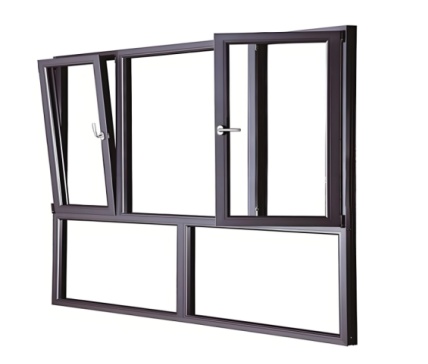
Tilt and turn windows offer several advantages over traditional sliding or casement windows, making them a preferred choice in modern architecture.
The dual-opening design provides flexible airflow management. The tilt mode allows gentle ventilation without compromising security, while the turn mode facilitates maximum air exchange. This flexibility is particularly beneficial in climates with fluctuating weather conditions or during hot summer months.
Security is a significant concern for both residential and commercial buildings. Tilt and turn windows often include advanced locking mechanisms that make forced entry difficult. Even when tilted for ventilation, the window remains secure, offering peace of mind for property owners.
High-quality tilt and turn windows are designed with airtight seals and multiple glazing options, including double or triple glass. These features reduce heat loss, improve insulation, and minimize noise pollution. As a result, they support energy-conscious building designs and help lower utility costs over time.
The inward-swinging design simplifies cleaning, allowing occupants to access both sides of the window without external ladders or scaffolding. This ease of maintenance is particularly valuable in high-rise buildings or hard-to-reach areas.
Tilt and turn windows are available in various materials, including uPVC, aluminum, and timber. This variety allows designers and homeowners to select finishes that complement the overall aesthetic, whether aiming for a modern, sleek look or a more traditional, warm appearance.
When selecting tilt and turn windows, proper material choice and professional installation are critical to ensure performance, durability, and aesthetics.
Material:
uPVC: Offers low maintenance, excellent insulation, and resistance to corrosion.
Aluminum: Provides strength, modern design, and minimal frame thickness for maximum glass area.
Timber: Adds natural warmth and aesthetic appeal, though it requires periodic maintenance.
Glass Type: Double or triple glazing improves thermal insulation and reduces noise pollution. Low-emissivity (Low-E) coatings further enhance energy efficiency.
Hardware Quality: Reliable hinges, handles, and locks ensure smooth operation and long-lasting performance. Premium fittings reduce wear and tear and maintain airtightness over time.
Professional Installation: Correct installation is crucial. Improper fitting can compromise insulation, security, and overall functionality. Certified installers ensure the window frames are plumb, level, and sealed correctly, maximizing lifespan and performance.
Additional Features: Optional features such as tilt restrictors, child safety locks, and integrated blinds can further enhance convenience, safety, and energy efficiency.
By carefully considering these factors, property owners and designers can fully leverage the advantages of tilt and turn windows for any type of building.
Tilt and turn windows can be i nstalled in various settings:
Bedrooms: Secure ventilation without fully opening the window.
Living Rooms: Maximize natural light and airflow.
Kitchens and Bathrooms: Provide ventilation while minimizing heat or moisture loss.
Commercial Offices: Maintain indoor climate efficiently and enhance aesthetics.
Tilt and turn windows are more than just stylish design elements—they are functional, safe, and energy-efficient solutions for modern homes and commercial spaces. Their dual-function operation, combined with excellent insulation and easy maintenance, makes them a versatile choice for anyone looking to improve indoor comfort and property value.
For businesses and homeowners looking to explore high-quality tilt and turn window solutions, Foshan SUNGYE Doors and Windows Co., Ltd. offers a wide range of customizable options that balance durability, aesthetics, and performance. You can learn more about their products or contact their team directly to discuss tailored solutions for your building project.


